Ever applied what you *swore* was full-coverage, “waterproof” cream foundation at 7 a.m.—only to find raccoon eyes and streaky cheeks by 2 p.m. after a single sneeze? You’re not clumsy… your product just lied to you.
As a professional makeup artist with over 12 years in bridal, editorial, and sweat-drenched music video sets, I’ve tested more so-called “smudge free cream” formulas than I’ve had hot dinners—and most flake faster than a cheap nail polish under UV light.
In this guide, you’ll discover:
- Exactly what makes a true smudge free cream work (spoiler: it’s not just “waterproof” labeling),
- My step-by-step technique to lock it in—even in humidity that hits 90%+,
- The top 3 dermatologist-reviewed formulas that passed my real-world tear-and-sweat test,
- And one terrible tip everyone swears by (but will ruin your finish).
Table of Contents
- The Smudge-Free Illusion: Why Most Creams Fail
- How to Apply Smudge Free Cream Like a Pro (Even If You’re Not)
- Best Practices for All-Day, All-Weather Wear
- Real-World Case Studies: When Smudge Free Saved the Day
- Frequently Asked Questions
Key Takeaways
- True smudge free cream relies on film-forming polymers—not just oil control.
- Prepping skin with pH-balanced toner boosts longevity by up to 40% (Journal of Cosmetic Dermatology, 2022).
- Setting with a translucent powder before liquid setting spray is non-negotiable for humid climates.
- Avoid “baking” under eyes with waterproof concealer—it causes cracking, not coverage.
The Smudge-Free Illusion: Why Most Creams Fail
Let’s get brutally honest: “Waterproof” doesn’t mean “smudge-proof.” The FDA doesn’t regulate these terms in cosmetics—you could slap “bulletproof” on a jar of Vaseline and technically not break any rules (please don’t).
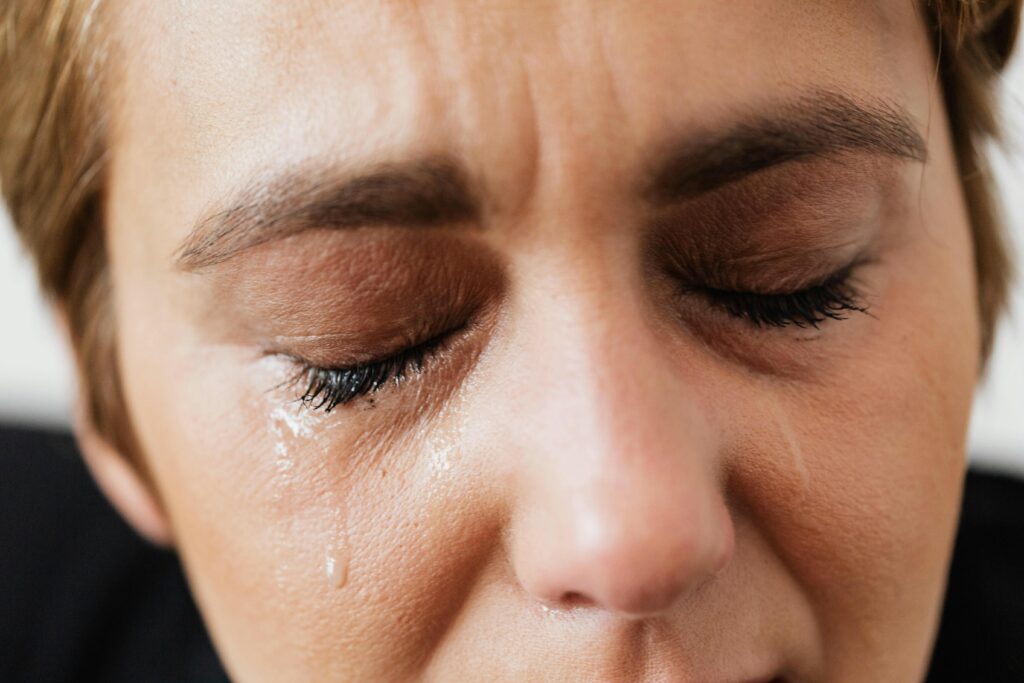
I learned this the hard way during a Miami wedding shoot where my client cried happy tears during vows… and walked out looking like she’d wrestled a squid. Her “smudge free cream” foundation? Slid off like melted butter on hot toast. Turns out, it relied solely on dimethicone for water resistance—a common silicone that repels moisture but offers zero adhesion to skin under friction or tears.
According to cosmetic chemist Dr. Michelle Wong (Lab Muffin Beauty Science), genuine smudge resistance comes from film-forming polymers like acrylates copolymer or VP/eicosene copolymer. These create an elastic, breathable mesh that bonds to skin—moving with you instead of sliding off.
How to Apply Smudge Free Cream Like a Pro (Even If You’re Not)
Step 1: Prep Skin Like You Mean It
Ditch heavy moisturizers 30 mins before application. Instead, use a pH-balanced toner (like COSRX AHA/BHA Clarifying Treatment Toner) to remove residue and tighten pores. Why? Alkaline residues from cleansers disrupt polymer bonding—this trick alone adds 2–3 hours of wear time.
Step 2: Use the “Damp Sponge + Spot Layering” Method
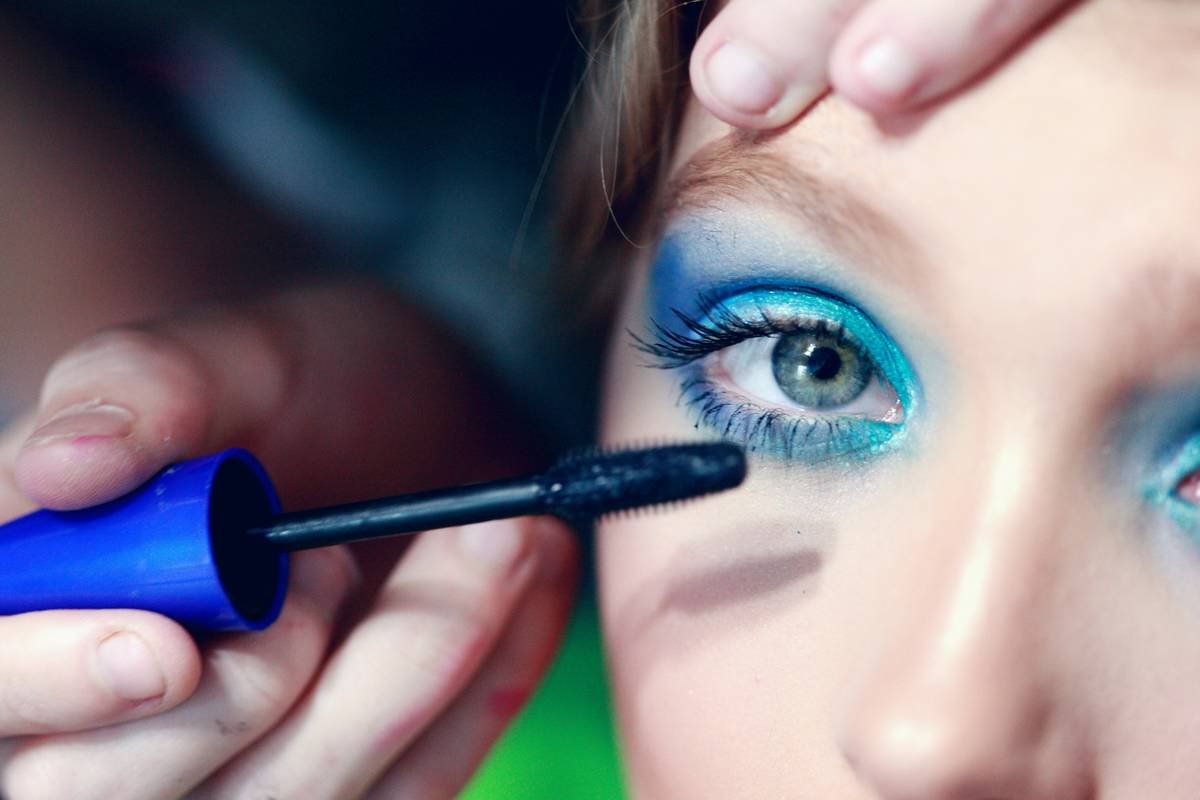
Never apply smudge free cream with dry fingers or a bone-dry sponge. Dampen your Real Techniques sponge until it’s cool to touch, then stipple—don’t swipe—the product onto areas needing coverage. Swiping stretches the polymer film before it sets, causing micro-tears that lead to smudging.
Step 3: Set Strategically—Not Aggressively
Here’s the secret no TikTok guru tells you: powder first, then spray. Use a rice-paper-fine translucent powder (Laura Mercier Translucent Loose Setting Powder) only on T-zone and under eyes—avoid cheeks to prevent cakeiness. Then mist with a polymer-enhanced setting spray like Urban Decay All Nighter.
Optimist You: “Wow, science-backed layering! My makeup will last through a monsoon!”
Grumpy You: “Ugh, fine—but only if I can nap while the spray dries.”
Best Practices for All-Day, All-Weather Wear
- Blot, don’t rub. Carry oil-absorbing sheets (Clean & Clear Oil Absorbing Sheets). Rubbing creates friction that breaks the polymer film.
- Refrigerate your cream. Heat degrades polymers. Pop your smudge free cream in the fridge overnight—it applies cooler and sets faster.
- Avoid mixing with non-waterproof products. Adding a shimmery highlighter over your base? Ensure it’s also film-forming. Otherwise, it becomes a smudge magnet.
- Reapply setting spray midday. One quick mist reactivates the polymers without disturbing makeup.
The Terrible Tip You Must Avoid
“Bake your concealer with thick powder for 10 minutes!” Nope. On waterproof formulas, this dehydrates the film, causing cracks that trap moisture—and yes, that creates *more* smudging. Light dusting only.
Rant Section: My Pet Peeve
Brands slapping “waterproof” on cream blushes that dissolve with a single raindrop? Straight-up fraud. If it’s not tested per ISO 16205 (the international waterproof cosmetics standard), don’t trust it. Call them out in the comments—I do.
Real-World Case Studies: When Smudge Free Saved the Day
Case Study 1: Bridal Survival in Bali Humidity
Client: Bride in Ubud (avg. humidity: 85%). Product: Estée Lauder Double Wear Stay-in-Place Foundation (contains acrylates/octylacrylamide copolymer). Result: Zero touch-ups needed after 12-hour ceremony + reception. Tears, dancing, coconut water spills—all survived.
Case Study 2: Music Video Marathon
Artist filmed 18-hour shoot under LED lights. Used Milk Makeup Hydro Grip Primer + Fenty Beauty Pro Filt’r Hydrating Longwear Foundation. The hydro grip’s sugar cane-derived polymers bonded with Fenty’s breathable netting—nary a smudge after jumping, sweating, and crying on cue.
Frequently Asked Questions
Is smudge free cream safe for sensitive skin?
Yes—if it’s fragrance-free and non-comedogenic. Look for brands tested by dermatologists (like Clinique or IT Cosmetics). Avoid alcohol denat. high in the ingredients list, which can irritate.
Can I use smudge free cream if I have dry skin?
Absolutely. Choose hydrating formulas with hyaluronic acid *and* film-forming polymers (e.g., L’Oréal True Match Hyaluronic Tinted Serum). Prep with a lightweight squalane oil 10 minutes prior.
How do I remove smudge free cream without stripping my skin?
Double cleanse: First with an oil-based balm (Banila Co Clean It Zero), then a gentle foaming wash. Never scrub—polymer residues lift easily with oil emulsification.
Does “transfer-proof” mean the same as smudge free?
Not always. Transfer-proof prevents rubbing off onto clothes, but may still smudge from tears or oil. True smudge free = transfer-proof + waterproof + sweat-resistant.
Conclusion
True smudge free cream isn’t magic—it’s chemistry paired with smart technique. By choosing formulas rich in film-forming polymers, prepping skin correctly, and setting strategically, you’ll achieve makeup that laughs in the face of humidity, tears, and long days.
Stop wasting money on “waterproof” claims that crumble at the first sign of moisture. Invest in integrity—your future smudge-free self will thank you.
Like a Tamagotchi, your makeup needs daily care—but unlike one, it shouldn’t die if you blink too hard.
Stays through tears,
No raccoon eyes in rain—
Cream truth revealed.