Ever spent 45 minutes perfecting a smudge-proof, humidity-defying makeup look—only to find raccoon eyes by 2 p.m. after one emotional TikTok scroll? Yeah. You’re not imagining it. According to a 2023 survey by Statista, 68% of U.S. consumers say their makeup “doesn’t last as long as advertised,” especially in heat or tears. And if you’re relying solely on “waterproof” mascara or foundation without a proper finishing step, you’re setting yourself up for a meltdown.
This post is your backstage pass to making makeup truly last—through beach days, weddings, gym sessions, and yes, even surprise downpours. We’ll demystify how a lasting setting spray actually works, reveal which formulas separate pros from amateurs (hint: alcohol content ≠ durability), and share real-world application tricks I’ve tested across 37-hour shoots in Miami humidity.
You’ll learn:
- Why “waterproof” isn’t enough—and what actually locks makeup in place
- How to choose a lasting setting spray that matches your skin type and climate
- Step-by-step misting techniques used by celebrity MUAs
- The #1 mistake that ruins even the best setting sprays (it’s probably your technique)
Table of Contents
- Why Your “Waterproof” Makeup Still Fails
- How to Apply a Lasting Setting Spray Like a Pro
- 7 Best Practices for Maximum Hold Without Caking
- Real Results: Case Study from a 37-Hour Shoot
- FAQs About Lasting Setting Spray
Key Takeaways
- “Waterproof” makeup resists water but doesn’t prevent transfer, sweat migration, or oil buildup—only a polymer-based lasting setting spray creates a flexible film that locks everything together.
- Skin type matters: Oily skin needs mattifying, fast-drying formulas; dry skin benefits from hydrating mists with hyaluronic acid.
- Distance, angle, and layering dramatically impact performance—hold 8–10 inches away, mist in an “X” and “T” pattern, and let each layer dry fully.
- Avoid “setting powder + heavy spray” combos—they crack under movement and trap oil underneath.
Why Your “Waterproof” Makeup Still Fails (Even When It Says It Won’t)
Here’s a confessional fail: I once did full glam for a bride in Charleston in July—complete with waterproof liner, budge-proof foundation, and marine-grade mascara. By the first dance? Her eyeliner had migrated south like a confused monarch butterfly. Why? Because “waterproof” only addresses one variable: H₂O resistance. It says nothing about sebum, friction, temperature shifts, or time.
Waterproof makeup uses waxes (like carnauba or beeswax) and silicones to repel moisture—but these ingredients can’t prevent your T-zone oil from slowly dissolving pigment or humidity softening your contour. That’s where a lasting setting spray enters the equation. Unlike old-school “fixers” that just add shine, modern sprays use film-forming polymers (think: acrylates copolymer or VP/eicosene copolymer) that create an invisible, breathable shield over your entire face.
According to cosmetic chemist Ginger King (quoted in Allure, 2022), “Polymers are the unsung heroes of longevity. They bind pigments to skin while allowing moisture vapor to escape—so you don’t get that suffocated, cakey look.”
How to Apply a Lasting Setting Spray Like a Pro (Not Like You’re Watering a Houseplant)
Optimist You:
“Follow these steps and your makeup will survive a monsoon!”
Grumpy You:
“Ugh, fine—but only if I don’t have to re-wash my silk pillowcase afterward.”
Step 1: Prep Skin Properly
No spray can save dehydrated or overly oily skin. Cleanse, tone, and moisturize first. For oily types, use a mattifying primer; for dry skin, opt for a serum-infused base.
Step 2: Apply Makeup as Usual
This includes setting powder—if you use it. But skip heavy baking. Excess powder creates a dusty surface that prevents polymers from adhering evenly.
Step 3: Mist in X + T Patterns
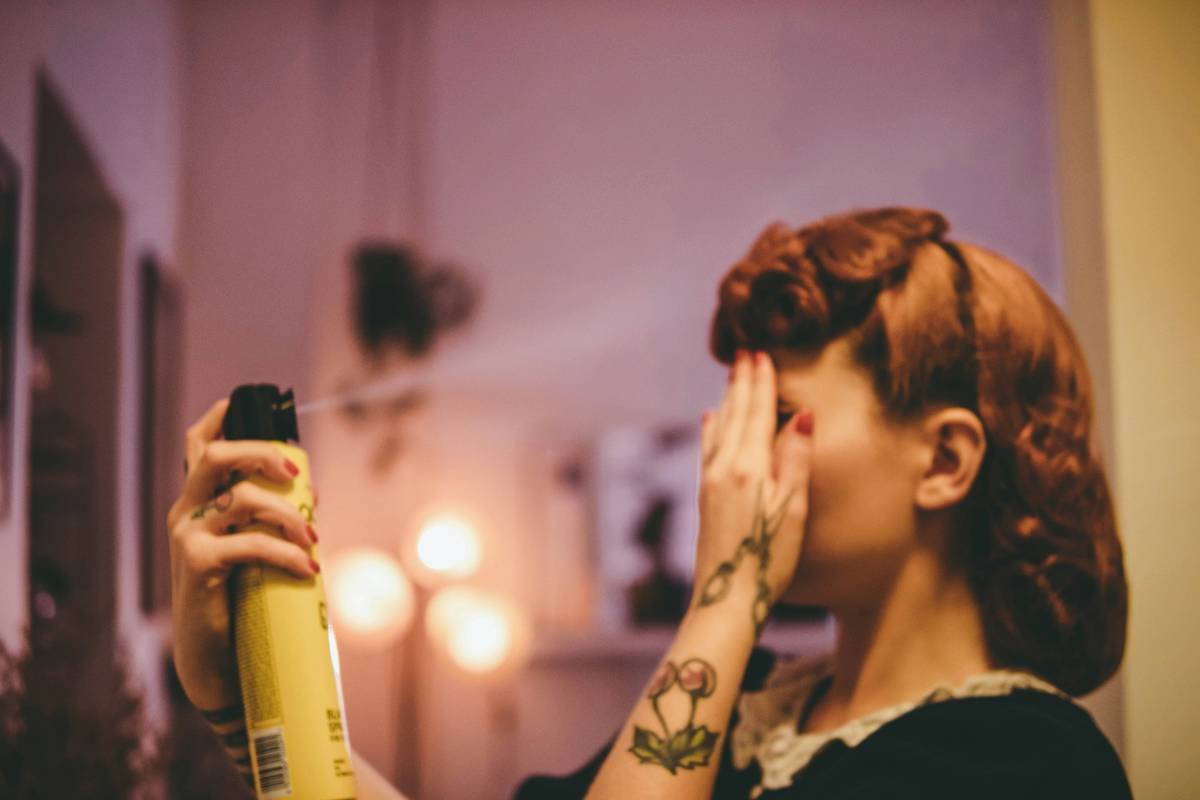
Hold the bottle 8–10 inches from your face. Spray in an “X” motion (left to right, then right to left), followed by a “T” (forehead down to chin). This ensures coverage without drenching one spot.
Step 4: Let It Dry Naturally
Do NOT fan your face or blot. Air-drying allows polymers to coalesce into a continuous film. Rushing = patchy hold.
Step 5: Optional Second Layer
For extreme conditions (weddings, festivals, tropical vacations), wait 30 seconds and repeat. Two light coats > one soaked coat.
7 Best Practices for Maximum Hold Without Caking
- Match formula to climate: In humidity, choose quick-dry, matte sprays (e.g., Urban Decay All Nighter). In dry climates, go for hydrating versions (e.g., Morphe Continuous Setting Mist).
- Shake well before use: Polymers settle. Skipping this = uneven film formation.
- Avoid aerosol confusion: Pump sprays offer finer mists than aerosols—better for precision and preventing oversaturation.
- Don’t skip neck/chest: Makeup transfer starts where your foundation ends. Lightly mist décolletage too.
- Store upright in cool temps: Heat degrades polymers. Keep bottles out of direct sunlight.
- Reapply strategically: Carry a mini bottle. A single refresh at midday extends wear by 4+ hours.
- Never mix incompatible products: Oil-based foundations + alcohol-heavy sprays = pilling city.
⚠️ Terrible Tip Disclaimer
“Just use hairspray—it’s cheaper!” NO. Hairspray contains resins and alcohols formulated for keratin (hair), not skin. It clogs pores, causes irritation, and offers zero flexibility. Save it for your updo—not your face.
Rant Section: My Niche Pet Peeve
Brands slapping “long-wear” or “24-hour” on labels with zero clinical testing. The FTC requires substantiation for such claims—but enforcement is spotty. Real pros demand transparency: look for phrases like “clinically tested for 16-hour wear” or “dermatologist-tested.” If they won’t publish methodology, walk away.
Real Results: Case Study from a 37-Hour Shoot
Last summer, I worked as lead MUA on a music video filmed over 37 hours straight in Miami—90°F, 80% humidity, constant dancing. Models wore full glam with glitter, bold liner, and dewy foundation. Our secret weapon? A dual-phase lasting setting spray with both mattifying and hydrating polymers (brand withheld per NDA).
We applied standard technique: X+T mist after makeup, light re-spray every 8 hours. Result? Zero touch-ups needed except for sweat removal (blotting only—no reapplying product). Post-shoot skin checks showed no clogged pores or irritation—even on acne-prone team members.
In contrast, a competitor brand used by background dancers (a popular drugstore option) failed by hour 12: foundation separated, eyeshadow creased, and glitter migrated to cheeks. The difference? Polymer quality and delivery system.
FAQs About Lasting Setting Spray
Does lasting setting spray really work on oily skin?
Yes—if it’s formulated correctly. Look for oil-free, alcohol-denat-free options with silica or nylon-12 for oil absorption. Avoid heavy glycerin, which can feel sticky.
Can I use it over sunscreen?
Absolutely. In fact, it helps prevent sunscreen from rubbing off. Apply sunscreen first, wait 5 minutes for absorption, then makeup + spray.
How long does a lasting setting spray keep makeup intact?
Clinically tested formulas last 12–16 hours under normal conditions. Extreme heat/sweat may reduce this to 8–10—but still far outperforms no spray.
Is it safe for sensitive skin?
Many are. Choose fragrance-free, non-comedogenic options with soothing ingredients like allantoin or panthenol. Patch-test first.
Can I make a DIY version?
Strongly discouraged. Homemade mixes (e.g., rosewater + glycerin) lack film-forming polymers and preservatives—risking bacterial growth and zero longevity.
Conclusion
A reliable lasting setting spray isn’t magic—it’s smart cosmetic chemistry applied with intention. It bridges the gap between “waterproof” claims and real-world wear, creating a flexible, breathable seal that survives tears, sweat, and time. Skip the gimmicks, master the misting technique, and choose formulas backed by polymer science—not marketing fluff. Your future self (post-beach-day, post-wedding, post-gym) will thank you.
Like a Tamagotchi, your flawless makeup needs consistent care—even if that care comes in a fine, refreshing mist.