You’ve perfected your base. The lighting’s flawless. Then—by 2 p.m.—your concealer’s migrated into fine lines, pooled under your eyes, or vanished entirely. Heat, humidity, sweat, tears, even a casual glance in the mirror can betray your effort. The problem isn’t your skill—it’s your product. Standard concealers crack under pressure. But here’s the fix: a true smudge resistant concealer engineered to hold its ground, not just look good for five minutes.
Why Most Concealers Fail the Smudge Test
Most formulas prioritize blendability over endurance. They’re built with emollients that melt at skin temperature—great for seamless application, terrible when you’re commuting in July or crying at a rom-com. And matte doesn’t always mean transfer-proof. Many “long-wear” options dry rigid, then flake or crease when your face moves—which it does. Constantly.
Here’s the reality: if your concealer isn’t formulated with flexible polymers and sweat-resistant binders, it’s playing defense with no helmet.
How to Choose & Apply Smudge Resistant Concealer Like a Pro
It’s not just about slapping on any tube labeled “waterproof.” Technique meets chemistry. Below is the exact framework I use with clients who work 12-hour shifts or live in Miami.
Pick the Right Formula Type
Creamy sticks offer high pigment and oil control. Liquid hybrids with silicone bases glide smoothly but need setting. Avoid anything with heavy oils or waxes—they migrate fastest.
Prep Skin Strategically
Don’t skip this. Hydrated—but not dewy—skin gives your concealer something stable to grip. Blot excess oil first. Then, lightly dust translucent powder only where you’ll layer concealer. Counterintuitive? Yes. But it creates micro-grip points that prevent sliding.
Apply, Don’t Rub
Dab. Pat. Never swipe. Use a dense sponge or fingertip warmed by your skin. Sheer layers build coverage without cracking. One thick coat = guaranteed creasing by lunch.
Lock It In—The Right Way
Setting spray alone won’t cut it. Use the “powder sandwich”: light dusting before, light dusting after. Focus on the inner corners and under-eye area—the usual suspects for smudging.
| Concealer Type | Smudge Resistance | Best For | Key Limitation |
|---|---|---|---|
| Cream-to-Powder Stick | ★★★★☆ | Oily skin, humid climates | Can emphasize texture if over-applied |
| Silicone-Based Liquid | ★★★☆☆ | Normal to dry skin | Requires precise setting to stay put |
| Waterproof Pen Formula | ★★★★★ | High-movement zones (under eyes, blemishes) | Limited shade ranges; harder to blend |
The Industry Secret: Waterproof ≠ Smudge Resistant
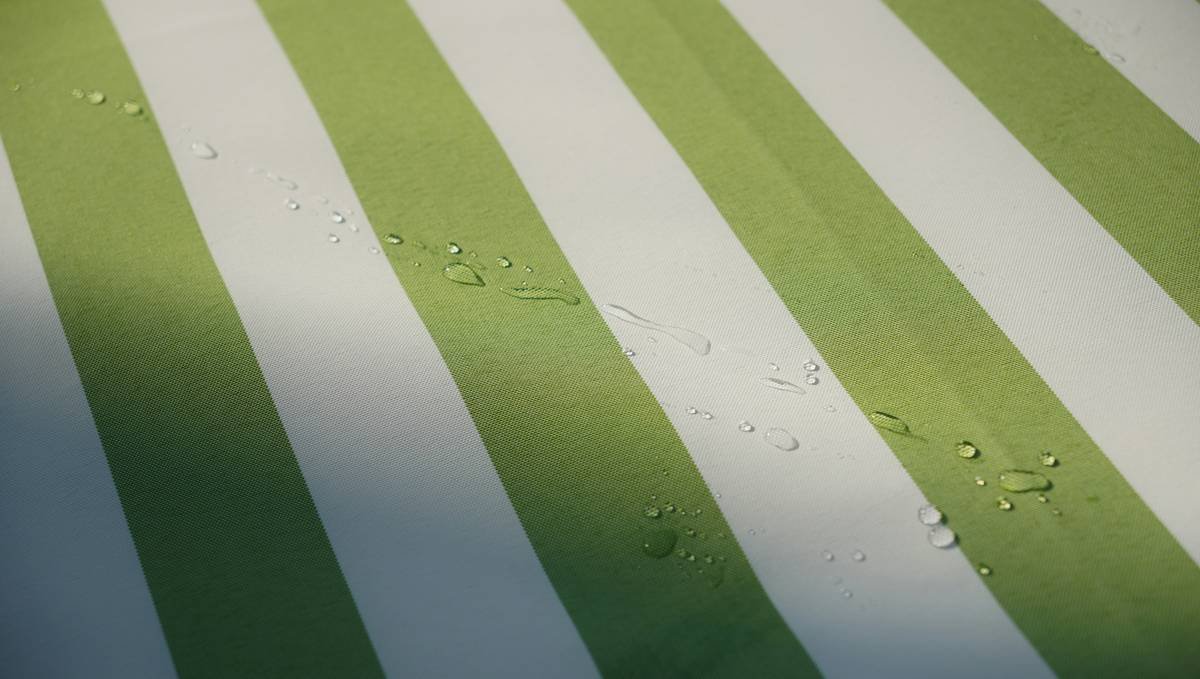
Big brands conflate “waterproof” with “smudge proof”—but they’re not the same. Waterproof means it survives submersion. Smudge resistant means it withstands friction, oil migration, and facial movement. Most waterproof concealers still shift because they’re designed for lashes, not porous under-eye skin. The real breakthrough? Formulas with acrylate copolymers—flexible film-formers that move *with* your skin, not against it. Only a handful of prestige and indie brands use these. And they rarely advertise it. Why? Because once you experience truly anchored coverage, you stop repurchasing every month.

Frequently Asked Questions
Does smudge resistant concealer clog pores?
Not if it’s non-comedogenic. Look for “oil-free” and “tested under dermatological control” on the label. Many modern formulas use breathable polymers that sit on top, not inside, pores.
Can I use smudge resistant concealer on blemishes?
Absolutely—and it’s ideal. Blemish areas secrete more oil. A smudge resistant concealer stays put without mixing with sebum and turning orange or patchy.
How do I remove smudge resistant concealer safely?
Use an oil-based cleanser first, then follow with your regular face wash. Micellar water often fails—it breaks water-based makeup, not polymer-bound formulas.