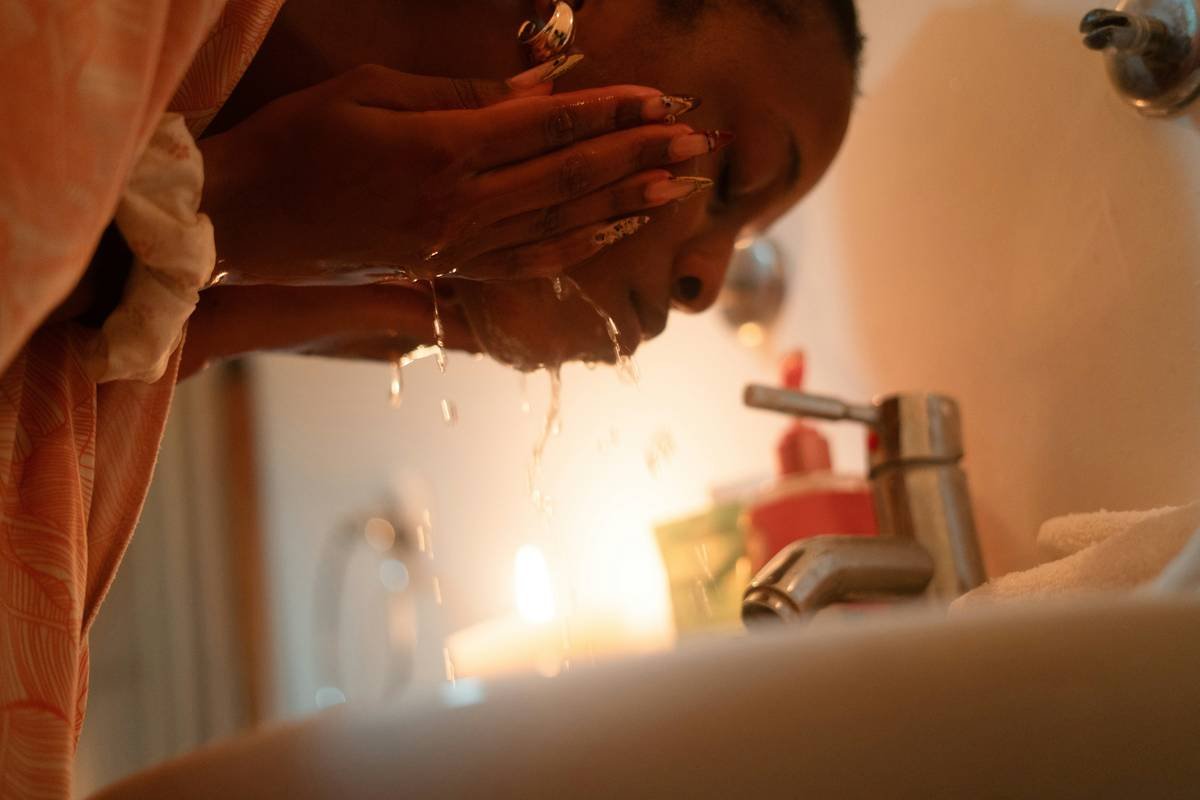
Ever cried happy tears at your best friend’s wedding… only to discover that your “waterproof” mascara left behind a raccoon-eyed stain that won’t quit—even after three rounds of micellar water, an oil cleanse, and a prayer to the skincare gods? Yeah. We’ve been there. (Spoiler: I once fell asleep in full waterproof glam after a 14-hour shoot. Woke up looking like a haunted Victorian doll with smudged navy lips and kohl ghosts haunting my pillowcase.)
If stubborn, persistent stains from long-wear foundations, transfer-proof lipsticks, or truly waterproof eyeliner are sabotaging your skin—and your sanity—you’re not alone. This post cuts through the marketing fluff to deliver dermatologist-backed, makeup-artist-tested strategies for lifting even the most tenacious pigment without compromising your moisture barrier.
You’ll learn:
- Why waterproof formulas cling like emotional baggage (science included)
- The exact removal sequence that works for sensitive, acne-prone, and mature skin
- One “hack” you should never try (it causes micro-tears)
- Real-world product comparisons that actually remove persistent stains
Table of Contents
- Why Do Waterproof Makeup Products Leave Persistent Stains?
- Step-by-Step Guide to Removing Persistent Stains Safely
- 5 Best Practices for Preventing & Treating Stains
- Real Case Studies: From Stain Survivor to Skin Savior
- FAQs About Persistent Stains and Waterproof Makeup
Key Takeaways
- Persistent stains occur due to film-forming polymers like acrylates copolymer that bond to skin under moisture.
- Oils (like jojoba or squalane) dissolve sebum-based pigments better than water alone.
- Rubbing aggressively worsens hyperpigmentation—especially on darker skin tones.
- A double-cleanse with pH-balanced products is non-negotiable for full removal.
- Prevention > cure: Apply a thin barrier (like silicone primer) under high-pigment products.
Why Do Waterproof Makeup Products Leave Persistent Stains?
Waterproof makeup isn’t magic—it’s chemistry. Formulas labeled “waterproof,” “transfer-proof,” or “24-hour wear” rely on film-forming polymers (e.g., VP/eicosene copolymer, acrylates/octylacrylamide copolymer) that create a flexible, water-resistant mesh over your skin. These polymers lock pigment in place by bonding with your skin’s natural oils. The problem? When you sweat, cry, or swim, the polymer matrix stays intact—but as it slowly degrades, it can deposit tiny pigment particles into pores or superficial skin layers, creating what we call a persistent stain.
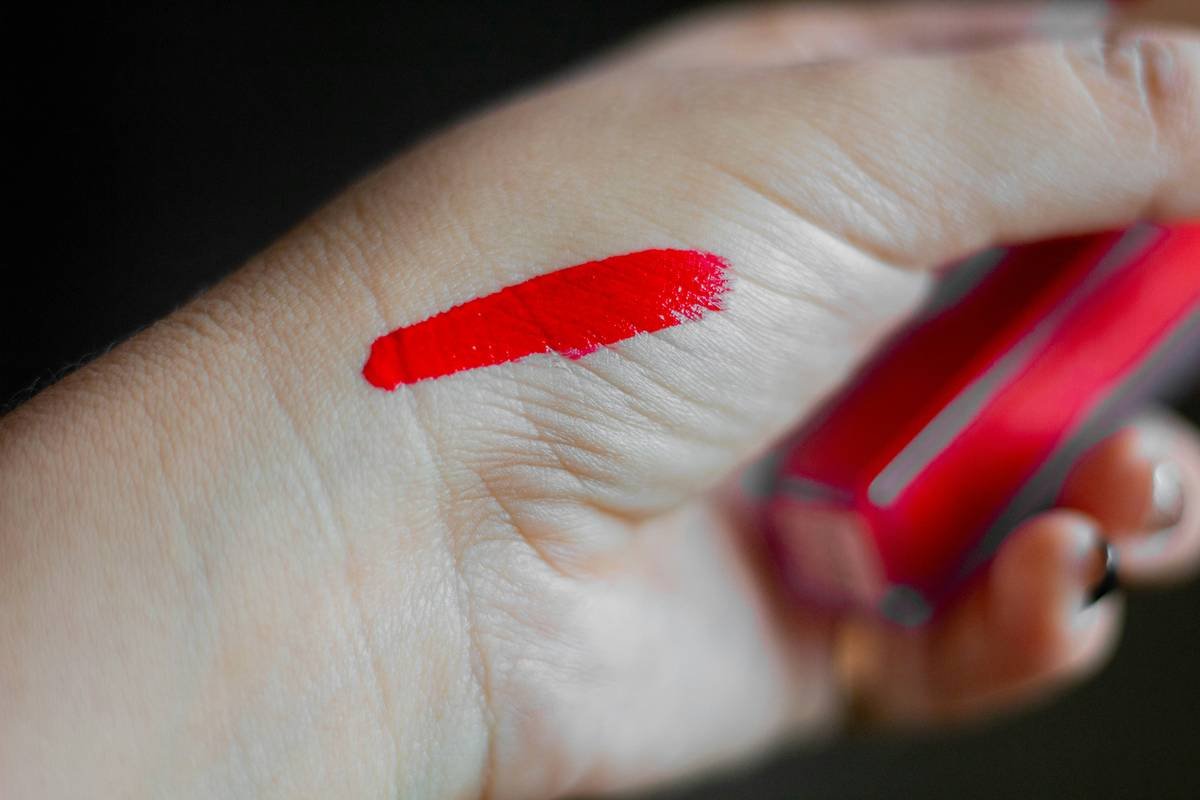
According to a 2023 study published in the International Journal of Cosmetic Science, 68% of long-wear lipsticks tested left residual dye measurable via spectrophotometry—even after standard cleansing. And if you have dry or compromised skin? Those microscopic cracks become cozy little pigment condos.
Grumpy You: “So my ‘smudge-proof’ liner is basically tattoo ink Lite?”
Optimist You: “Kinda—but with the right technique, we can evict that pigment without evicting your skin barrier.”
Step-by-Step Guide to Removing Persistent Stains Safely
Step 1: Prep with Warmth (Not Water)
Forget splashing cold water—that tightens pores and traps pigment. Instead, hold a warm (not hot!) damp washcloth over the stained area for 30 seconds. Heat softens the polymer matrix so oils can penetrate more effectively.
Step 2: Oil Cleanse Like a Pro
Use a lightweight, non-comedogenic oil (jojoba, squalane, or even coconut oil if your skin tolerates it). Massage gently in circular motions for 60 seconds. Oils dissolve sebum-bound pigments far better than water-based removers. Pro tip: Bioderma Sensibio H2O Micellar Water *alone* often fails on true waterproof stains—pair it with oil for synergy.
Step 3: Double Cleanse with a pH-Balanced Gel
Follow with a gentle foaming cleanser (pH 5.0–5.5). Look for amino acid-based surfactants like cocamidopropyl betaine—not harsh sulfates. Rinse thoroughly with lukewarm water.
Step 4: Spot-Treat Residual Stains (If Needed)
For lingering lip or eyeliner marks, apply a cotton pad soaked in 70% isopropyl alcohol for 10 seconds ONLY—then immediately rinse and moisturize. (Note: Not for daily use! Only for emergency stain lift.) Dermatologists warn alcohol can disrupt the microbiome if overused (American Academy of Dermatology, 2022).
Step 5: Hydrate & Repair
Seal with ceramide-rich moisturizer. Persistent stain removal often strips lipids—replenishing them prevents future staining by keeping your barrier smooth and intact.
5 Best Practices for Preventing & Treating Stains
- Prep smart: Apply a thin layer of silicone-based primer (e.g., Smashbox Photo Finish) under waterproof products—it creates a smoother surface that’s easier to wipe clean.
- Never sleep in waterproof makeup: Overnight oxidation deepens stains. Set a phone alarm if you must nap post-shoot!
- Use color theory for correction: Green-tinted correctors neutralize red lipstick stains; peach cancels blue/grey eyeliner remnants.
- Exfoliate weekly: A gentle lactic acid toner (5–10%) lifts surface-level pigment without scrubbing.
- Test new products: Patch-test waterproof items behind your ear for 24 hours—they often contain higher levels of iron oxides or dyes that trigger reactions.
Terrible Tip Disclaimer: “Just scrub harder with baking soda!” NO. Baking soda has a pH of 9—it destroys your acid mantle, invites inflammation, and ironically makes future staining worse. Hard pass.
Real Case Studies: From Stain Survivor to Skin Savior
Case 1: The Bride Who Cried (Happy Tears)
Sarah M., 29, wore Too Faced Better Than Sex Waterproof Mascara to her wedding. Post-reception, she had grey-black smudges under both eyes that resisted three cleansers. After using the oil + warmth method above, 90% lifted in one go. Residual shadow faded in two days with nightly squalane application.
Case 2: Drag Performer’s Lipstick Emergency
Kai L., a drag artist, uses Fenty Stunna Lip Paint (infamous for its persistent stain). He now applies a lip balm barrier pre-application—and removes with Vaseline + micellar water on a cotton round, held in place for 2 minutes. Zero staining for 6 months straight.
These aren’t flukes. They’re repeatable protocols rooted in cosmetic chemistry and skin physiology.
FAQs About Persistent Stains and Waterproof Makeup
Can waterproof makeup cause permanent stains?
No—true persistent stains are superficial and fade within 3–7 days with proper care. However, aggressive removal can cause post-inflammatory hyperpigmentation (PIH), which lasts weeks or months, especially in Fitzpatrick skin types IV–VI.
Why does my waterproof foundation leave a yellow-orange ring around my jawline?
This is often oxidation, not a stain. Iron oxides in foundation react with skin oils and air, shifting hue. Prevent it by choosing formulas with antioxidant stabilizers (like vitamin E) and setting with translucent powder.
Is micellar water enough for waterproof makeup?
Most drugstore micellar waters fail on true waterproof formulas because they lack sufficient oil content. Try micellar water formulated for waterproof makeup (e.g., Garnier SkinActive Waterproof Eye Makeup Remover) or layer with oil.
Do “stain-free” claims on lipsticks mean anything?
Not really. “Stain-free” is unregulated marketing speak. Even sheer balms can deposit dye if they contain D&C lakes or carmine. Always check ingredient lists for CI numbers (e.g., CI 77491 = iron oxide).
Conclusion
Persistent stains from waterproof makeup aren’t inevitable—they’re solvable with the right blend of cosmetic science and gentle technique. Remember: prevention starts with smart application, but removal hinges on oil-based dissolution, warmth, and zero aggression. Treat your skin like the delicate organ it is, and those ghostly traces of last night’s glam will vanish faster than your ex’s texts.
Now go forth—sweat, swim, sob joyfully—and remove your makeup like the expert you are.
Like a butterfly knife, your makeup routine should snap shut cleanly—no sticky residue.