You spent 20 minutes contouring. Blended every edge. Set it like your career depends on it. Then—humidity hits. A coffee run. One forehead wipe. And suddenly? Your bronzer’s migrated south like a lost tourist. Smudged, streaked, gone. It’s not you—it’s the product. Most bronzers aren’t built for real life. But there’s a fix. Not just any fix—a pro-level, weatherproof approach to smudge free bronzer that actually stays put from sunrise to last call.
Why Your Bronzer Keeps Smudging (And Why “Setting Spray” Isn’t Enough)
Most drugstore and even mid-tier bronzers rely on talc-heavy formulas that sit *on* skin, not *in* it. They’re not waterproof—they’re water-soluble. Sweat, oil, even a mist of rain? That’s basically a dissolve trigger. And no, slathering on another layer of setting spray won’t save you. It might glue the pigment down temporarily—but once moisture breaches that topcoat, everything slides together like wet chalk.
Here’s the reality: true smudge resistance starts at the formula level—not the finish. If your bronzer isn’t inherently water-resistant or oil-dispersing, you’re fighting physics.
The Step-by-Step Guide to Locking In Smudge Free Bronzer All Day
Prep Skin Like a Pro—Not a Passenger
Ditch heavy moisturizers right before makeup. Instead, use an oil-free primer with silica or dimethicone. These create a grippy yet smooth base that repels sebum without clogging pores. Let it set for 60 seconds—no shortcuts.
Choose the Right Formula (Powder vs. Cream vs. Liquid)
Powder bronzers often fail in humidity unless they’re baked with binders like polymethylsilsesquioxane. Cream bronzers can melt if they lack film-formers. The winner? Hybrid liquid-powders or pressed creams with volatile silicones—they evaporate, leaving pigment fused to skin. Look for “water-resistant,” not just “long-wear.”
Application Technique Matters More Than You Think
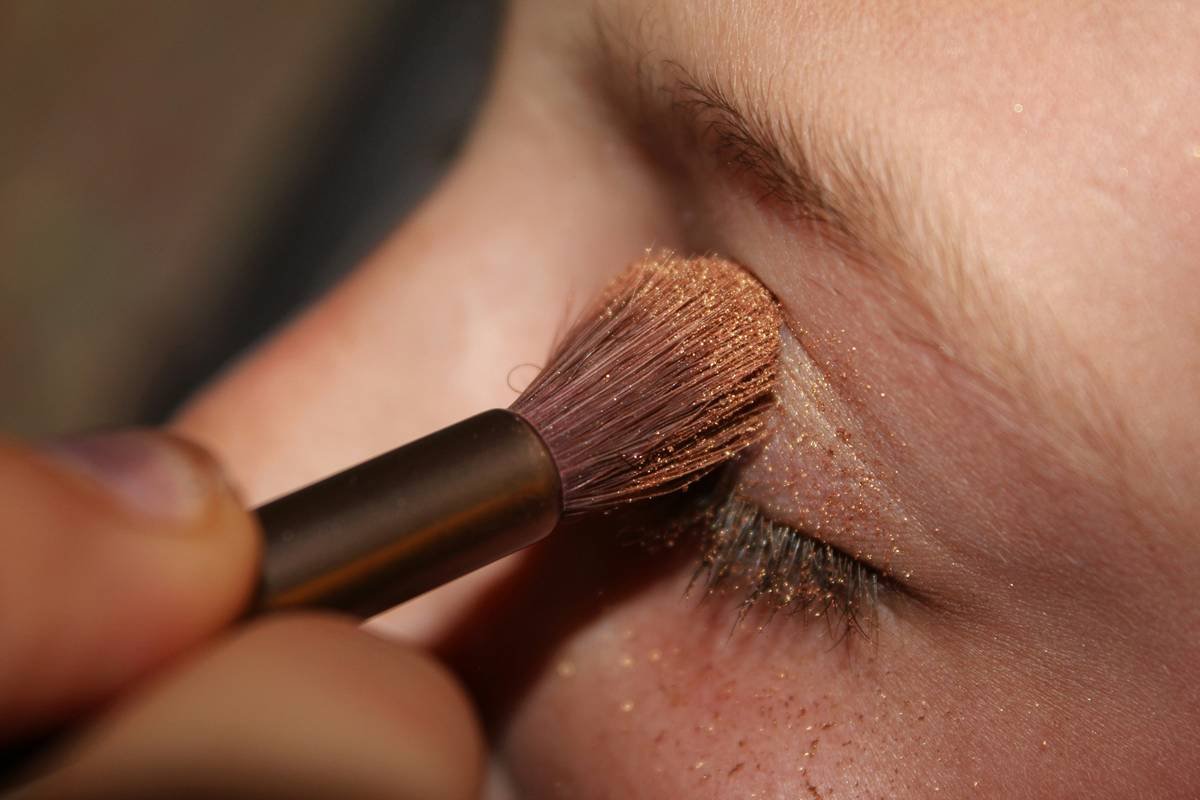
Less is more. Apply in light layers with a dense, slightly damp sponge—not a fluffy brush. Buff in circular motions to heat-activate binding agents. Then, **only** set high-oil zones (forehead, nose, chin) with translucent powder. Avoid over-powdering cheeks—that creates flakiness and actually invites smudging by disrupting adhesion.
| Product Type | Smudge Resistance Score (1-10) | Best For | Key Ingredient to Look For |
|---|---|---|---|
| Talc-Based Powder | 3 | Dry climates, flash photography | None—avoid if prone to oil |
| Cream-to-Powder Hybrid | 8 | Humid days, combination skin | Polymethylsilsesquioxane |
| Waterproof Liquid Bronzer | 9 | Beach days, festivals, oily T-zones | Acrylates Copolymer |
| Mineral Pressed Powder | 5 | Sensitive skin, light coverage | Zinc oxide (adds mild water resistance) |
The Industry Secret: “Double Bonding” for Unshakeable Wear
Here’s what beauty editors won’t tell you: top makeup artists don’t just apply bronzer—they bond it twice. First, they mix a drop of silicone-based face primer directly into cream or liquid bronzer before application. This boosts polymer content on contact. Then—after blending—they mist with a saline-based setting spray (yes, saline), not alcohol-heavy ones. Salt ions help cross-link film-forming polymers into a flexible, breathable net that resists shear force. The result? Bronzer that survives gym sessions, monsoons, and midnight dances without budging. Test it yourself. You’ll never go back.
FAQ
Is smudge free bronzer the same as waterproof?
Not always. Waterproof means submersion resistance; smudge free focuses on oil/sweat friction. Look for both claims if you need full protection.
Can I use setting spray alone to make regular bronzer smudge-proof?
No. Setting spray seals but doesn’t transform the formula. Without built-in polymers, moisture will still break down the pigment matrix.
Does smudge free bronzer work on oily skin?
Yes—if it contains oil-controlling polymers like nylon-12 or silica silylate. Avoid mica-heavy formulas; they reflect light but slide easily on oil.