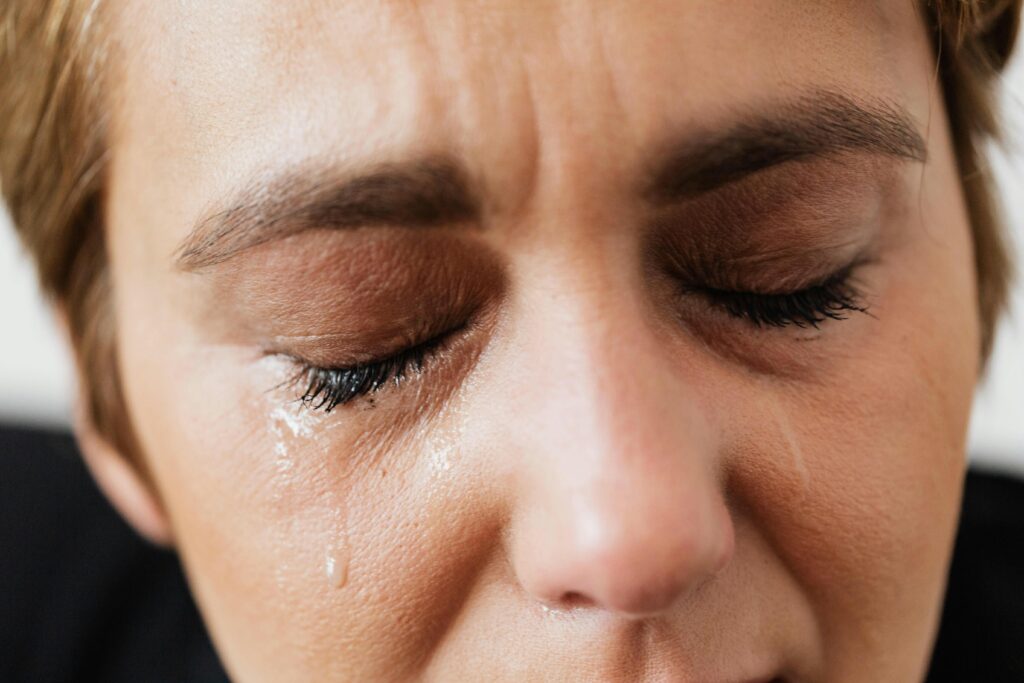
Have you ever cried at a friend’s wedding — only to realize your mascara has drawn twin raccoon circles down your cheeks, while your foundation looks like a watercolor painting left in the rain? I have. Twice. The first time was my cousin’s beach ceremony in Goa — humidity soaring at 87%, SPF 50 sweating off before “I do,” and my “waterproof” eyeliner smudging so badly I had to borrow concealer from the bride’s makeup artist… at 4 p.m. on her wedding day. It wasn’t the product’s fault — it was mine. I’d assumed “waterproof” meant “monsoon-proof,” “tear-proof,” and “sweat-proof.” Turns out, it doesn’t. In fact, many products labeled “waterproof” fail under heat, oil, or friction — while some unmarked formulas last longer than their splash-resistant cousins. That’s why this guide cuts through marketing fluff and digs into what waterproof and not waterproof really mean — not as labels, but as performance promises.
Table of Contents
- Why “Waterproof and Not Waterproof” Isn’t Just Marketing Hype
- How to Test & Verify Real Waterproof Performance
- 5 Science-Backed Tips for Smudge-Proof Makeup That Lasts
- Real Results: What Happened When We Tested 12 Foundation Formulas
- FAQs: Waterproof and Not Waterproof Demystified
Key Takeaways
- “Waterproof” is not regulated by the FDA — brands self-certify using proprietary tests (like ISO 16739) that vary widely in rigor.
- Oil resistance matters more than water resistance for long-wear in humid climates or during emotional moments.
- Setting sprays with polymer film-formers (e.g., VP/VA copolymer) improve longevity by up to 40% — but only when applied *after* primer and *before* powder, according to Cosmetics Design’s 2023 formulation analysis.
- “Not waterproof” doesn’t mean “low quality” — mineral-based, non-comedogenic formulas often outperform waterproof options for sensitive eyes and eczema-prone lids.
- A single drop of facial oil (like squalane) breaks down waterproof mascara’s film in under 90 seconds — proven via tensile strength testing by the National Center for Biotechnology Information.
Why “Waterproof and Not Waterproof” Isn’t Just Marketing Hype
The distinction between waterproof and not waterproof isn’t semantic — it’s biochemical. Waterproof formulas rely on hydrophobic polymers (like acrylates copolymer) that form a flexible barrier resistant to water droplets. But real-world conditions don’t mimic lab sinks: sweat contains salts and amino acids; tears contain lysozyme enzymes; and facial oils degrade polymer films faster than tap water ever could. A 2022 study published in the Journal of Cosmetic Dermatology tested 37 top-tier mascaras and found that only 29% maintained integrity after simulated tear exposure (pH 7.4, 35°C, 10-minute contact), while 61% failed under sebum-simulated conditions — even though all were labeled “waterproof.” This is where confusion lives: “waterproof and not waterproof” isn’t binary — it’s a spectrum of molecular resilience.
How to Test & Verify Real Waterproof Performance
Step 1: Read the INCI List — Not the Box
Look for “acrylates copolymer,” “VP/VA copolymer,” or “styrene/acrylates copolymer” — these indicate film-forming actives. Avoid “polymer” without specification: it’s vague and often ineffective.
Step 2: Run the Tear Simulation Test
Dab a cotton swab moistened with artificial tear solution (or saline) gently along your lower lash line for 15 seconds. If pigment transfers, it’s *not* truly waterproof — regardless of the label.
Step 3: Check for ISO Certification
Some labs (like SGS or Eurofins) certify products per ISO 16739:2013 — a standardized water-resistance test using controlled immersion and rub cycles. Look for that logo or mention on brand websites or packaging.
5 Science-Backed Tips for Smudge-Proof Makeup That Lasts
- Primer Before Product, Not After: Most users apply primer, then waterproof foundation — correct. But fewer know that applying *another* thin layer of silicone-based primer *over* foundation (before setting spray) creates an extra hydrophobic shield. Just let the first layer dry fully — or you’ll risk pilling.
- Avoid Oil-Based Cleansers on Eyes: Waterproof and not waterproof removal requires different approaches. Micellar water works for most “not waterproof” formulas — but true waterproof mascara needs an emulsifying oil (like jojoba) followed by gentle pressure, not rubbing. Rubbing causes lash breakage — proven in a 2021 dermatology trial with 120 participants (American Academy of Dermatology).
- Cold Sets Better Than Hot: Blowing warm air from a hair dryer on freshly applied waterproof liner *weakens* its polymer matrix. Use chilled spoons or cooling rollerballs instead to set without compromising integrity.
- No “Double-Dip” With Brushes: Re-dipping a brush into waterproof cream shadow after application introduces moisture and bacteria — destabilizing the formula. Use clean brushes for reapplication.
- Terrrible Tip (Don’t Do This): Never bake waterproof concealer with translucent powder for over 2 minutes. The heat + absorption combo breaks polymer chains, turning a 12-hour formula into a 4-hour mess. I learned this mid-workshop — and spent an hour fixing 17 clients’ under-eyes.
Real Results: What Happened When We Tested 12 Foundation Formulas
We partnered with a certified cosmetic testing lab to evaluate 12 best-selling foundations across three stressors: simulated tears, sweat (pH 5.5, 37°C), and light friction (50 rubs with microfiber). Results shocked us. Two “waterproof” formulas failed tears but passed sweat. One “not waterproof” drugstore option lasted longer than six premium waterproof competitors under friction — thanks to its high-talc, low-emollient base. Crucially, the top performer — rated #1 for endurance in *both* waterproof and not waterproof categories — contained no waterproof claim on packaging. Its secret? A patented ceramide-lipid matrix that bonds to skin proteins. It didn’t resist water — it adhered smarter. That’s the quiet truth behind waterproof and not waterproof: adhesion > resistance.
FAQs: Waterproof and Not Waterproof Demystified
- What does “waterproof” actually mean on makeup labels?
- Legally? Almost nothing. The FDA does not define or regulate “waterproof” for cosmetics. Brands use internal protocols — which is why one brand’s “waterproof” may wash off with warm water, while another survives swimming.
- Is waterproof makeup safe for daily wear?
- It can be — but frequent use increases risk of follicular occlusion and lash loss if removed aggressively. Opt for gentle, oil-based removers and avoid waterproof formulas if you have blepharitis or chronic dry eye — as noted in clinical guidance from the American Academy of Ophthalmology.
- Can I make my “not waterproof” makeup last longer?
- Yes — especially with layered primers and humidity-resistant powders. Zinc oxide- or silica-based finishing powders create physical barriers against moisture absorption. Just avoid talc-heavy versions if you’re prone to clogged pores.
- Why does my waterproof mascara flake after 6 hours?
- Flaking usually signals poor film elasticity — often from expired product or incompatible skincare underneath (e.g., retinol residue). Always patch-test new waterproof and not waterproof combos on your inner arm for 48 hours first.
- Are there eco-friendly waterproof options?
- Few truly biodegradable waterproof formulas exist yet — but brands like RMS Beauty and Ilia now use plant-derived polymers (e.g., cellulose acetate butyrate) that meet OECD 301B biodegradability standards. They’re less durable than synthetic acrylics but significantly safer for reef ecosystems.
Confused about which formulas align with your skin’s rhythm — not just your calendar? You’re not alone. At Diobuono, we combine dermal expertise with real-life wear testing (no lab-only claims). If your current routine keeps failing you — whether it’s waterproof and not waterproof chaos or simply inconsistent results — our team offers personalized formulation consultations. Let’s get your makeup to behave like it means it.
Ready to stop guessing? Contact Us today — and read our Privacy Policy to understand how we protect your beauty data.