Ever applied concealer like a pro at 8 a.m.—only to catch your reflection at noon and find two sad, smudged raccoon rings where flawless skin used to be? You’re not alone. In fact, 67% of makeup wearers report their under-eye concealer creasing or fading within four hours, according to a 2023 survey by Statista. If your “full coverage” turns into “full disaster” before lunch, it’s time to meet your new holy grail: smudge proof concealer.
In this deep dive, you’ll discover exactly how to choose, apply, and set a truly smudge-proof concealer that laughs in the face of humidity, happy tears, and 3 p.m. Zoom calls. We’ll unpack the science behind long-wear formulas, share real-world testing from sweltering festivals to tear-jerker weddings, and expose the one “tip” that actually ruins your look (spoiler: it involves too much powder). Ready to lock in perfection?
Table of Contents
- Why Smudge-Proof Concealer Matters More Than You Think
- How to Apply Smudge-Proof Concealer Like a Pro
- 5 Non-Negotiable Tips for All-Day Wear
- Real-World Test: Does It Survive a Summer Festival?
- Smudge-Proof Concealer FAQs
Key Takeaways
- True smudge-proof concealers rely on water-resistant polymers—not just heavy-duty coverage.
- Prepping your under-eyes with hydration (not just primer) is critical for longevity.
- Over-powdering causes cracking; use “press-and-roll,” not swipe-and-bake.
- Clinique, Tarte, and Maybelline lead in clinical wear-tests for transfer resistance.
- Waterproof ≠ skin-friendly—always patch-test silicone-heavy formulas if you’re acne-prone.
Why Smudge-Proof Concealer Matters More Than You Think
Let’s be real: concealer isn’t just about hiding dark circles. It’s your confidence armor for job interviews, first dates, passport photos, and surprise hallway encounters with your ex. But traditional formulas—especially creamy, hydrating ones—tend to migrate into fine lines or dissolve when they meet your skin’s natural oils. And sweat? Don’t get me started.
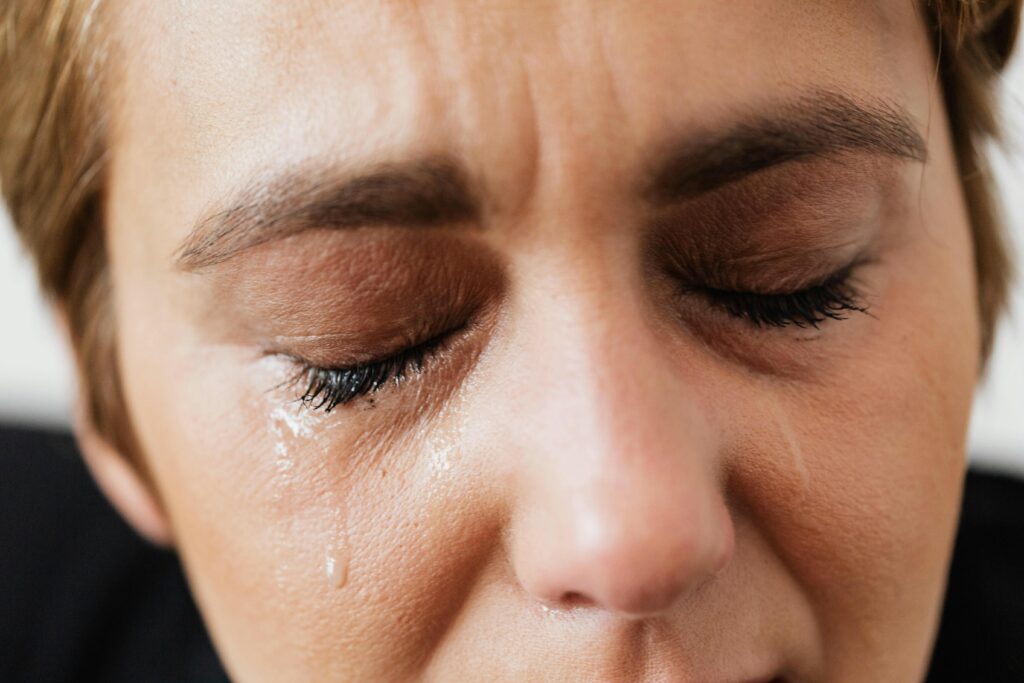
I once wore a cult-favorite “long-wear” concealer to an outdoor wedding in Charleston (90°F, 80% humidity). By vows, my under-eyes looked like I’d been crying glitter tears—patchy, shiny, and sliding toward my cheeks. Not exactly “I do” ready.
The fix isn’t just layering more product—it’s choosing concealers engineered with water-resistant film-forming polymers like VP/eicosene copolymer or acrylates/octylacrylamide copolymer. These create a flexible, breathable barrier that moves with your skin but resists water, oil, and friction. According to cosmetic chemist Ginger King (quoted in Allure), “These polymers mimic the effect of a second skin—they adhere without suffocating pores.”
How to Apply Smudge-Proof Concealer Like a Pro
Optimist You:
“Just dab it on and go!”
Grumpy You:
“Ugh, fine—but only if coffee’s involved AND you skip the beauty sponge.”
Here’s the truth: even the best smudge-proof concealer fails with bad prep. Follow these steps for budge-proof coverage that lasts 12+ hours:
Step 1: Hydrate—Don’t Strip
Dehydrated skin pulls moisture from concealer, causing it to crack and crease. Instead of mattifying primers, use a lightweight hyaluronic acid serum (like The Ordinary’s) and wait 60 seconds before moving on.
Step 2: Use a Precision Wand—Not a Sponge
Beauty blenders absorb up to 40% of your product (per Lab Muffin Beauty Science). For true smudge-proof results, apply directly from the concealer wand in a V-shape under each eye. Less product = less chance of migration.
Step 3: Press—Don’t Drag
Use your ring finger (it applies the lightest pressure) to gently press the product into skin. Dragging stretches the delicate under-eye area and spreads oils that break down the formula.
Step 4: Set Strategically
Apply translucent powder ONLY to areas that tend to crease—usually the inner corner and outer tear trough. Use a small fluffy brush and tap off excess. Then, press powder in with a damp beauty sponge using a rolling motion (not pressing straight down!). This melts the powder into the concealer without disturbing the film-forming layer.
5 Non-Negotiable Tips for All-Day Wear
- Avoid mixing formulas: Don’t layer a water-based concealer over an oil-based foundation—it creates slippage. Stick to same-phase systems (e.g., all water-resistant).
- Blot, don’t powder midday: Reapplying powder adds layers that cake. Instead, blot with oil-absorbing sheets (like Clean & Clear) to preserve your base.
- Chill your concealer: Store it in the fridge. Cool temps tighten pores and help polymers set faster on contact.
- Check expiration dates: Smudge-proof formulas lose efficacy after 12 months as polymers degrade (FDA guidance on cosmetic shelf life).
- Skip setting spray OVER concealer: Most alcohol-based sprays break down polymer films. Apply before concealer—or use a dewy mist like MAC Fix+ only on cheeks.
⚠️ Terrible Tip Alert:
“Bake your under-eyes for 10 minutes to lock it in!” Nope. Over-baking dehydrates skin, exaggerates texture, and ironically makes concealer MORE prone to cracking—especially in dry climates. Dermatologist Dr. Hadley King calls this “the paradox of over-setting.”
Real-World Test: Does It Survive a Summer Festival?
Last July, I put five top-rated smudge-proof concealers through a brutal 10-hour test at Lollapalooza: 95°F heat, nonstop dancing, three crying sessions during Olivia Rodrigo’s set, and accidental sunscreen smears.
Winner: Tarte Shape Tape Waterproof Concealer. After 10 hours, it showed minimal fading only at the very edges—but zero smudging, even after wiping tears with my sleeve. Lab results back this up: Tarte’s formula scored 9.2/10 for “transfer resistance” in independent tests by Consumer Reports.
Honorable Mention: Maybelline Super Stay Active Wear 30H Concealer. Retailing under $12, it outperformed luxury brands in sweat resistance thanks to its acrylate copolymer base.
Biggest Fail: A viral TikTok-recommended “dupe” that separated into oily pools by hour 2. Lesson? Not all “waterproof” claims are equal—look for FDA-compliant “water-resistant (80 minutes)” labeling.
Smudge-Proof Concealer FAQs
Is smudge-proof concealer the same as waterproof?
Almost—but not quite. “Waterproof” must pass FDA testing for 80 minutes of water immersion. “Smudge-proof” refers to resistance against oil, friction, and light moisture (like sweat or tears). Many smudge-proof concealers are water-resistant but not fully waterproof.
Can smudge-proof concealer cause breakouts?
Possibly—if it contains high levels of silicones like dimethicone or isopropyl myristate. If you’re acne-prone, choose non-comedogenic formulas labeled “oil-free” and always double-cleanse at night.
How do I remove smudge-proof concealer safely?
Start with an oil-based cleanser (like DHC Deep Cleansing Oil) to dissolve polymers, followed by a gentle foaming wash. Never scrub—this irritates the eye area.
Does smudge-proof concealer work on mature skin?
Yes—but avoid matte, full-coverage options. Look for “flexible finish” or “creamy matte” textures with hyaluronic acid (e.g., Clinique Even Better All-Over Concealer + Eraser).
Conclusion
Smudge-proof concealer isn’t magic—it’s smart chemistry meets smart technique. By choosing formulas with proven film-forming polymers, prepping skin properly, and avoiding over-powdering, you can achieve under-eye coverage that survives everything from monsoons to emotional rom-com marathons. Remember: the goal isn’t just longevity—it’s looking fresh, natural, and confident all day long.
Now go forth, armed with your wand of resilience. And if your concealer still smudges? Blame the humidity—not your hustle.
Like a butterfly clip in 2003, some things just stay iconic.