Ever applied your “waterproof” foundation before a beach photoshoot—only to find it streaked, shiny, and sliding off your chin like melted ice cream by hour two? Yeah, we’ve been there. You’re not imagining things: 68% of consumers say their long-wear makeup fails within 4 hours, according to a 2023 Mintel report on cosmetic longevity.
This post cuts through the marketing fluff to reveal what truly makes a persistent matte finish last—from formula science to pro application hacks used backstage at Fashion Week. You’ll learn:
- Why most “waterproof” claims are technically misleading (and what actually works)
- The 3-step layering technique that locks pigment without caking
- How to choose products with film-forming polymers that move *with* your skin—not against it
Table of Contents
- The Matte Mirage: Why Your Waterproof Makeup Quits Early
- How to Build a Persistent Matte Look That Survives Sweat, Tears & Humidity
- Pro Tips for Flawless Longevity (Without Looking Like You’re Wearing Spackle)
- Real-World Case Study: From Meltdown to Matte Marvel
- Persistent Matte FAQs
Key Takeaways
- “Waterproof” ≠ sweatproof or humidity-proof—look for film-forming polymers like acrylates copolymer.
- Persistent matte requires strategic layering: prep → prime → set with silica-based powder.
- Over-applying liquid products causes pilling; less is more with water-resistant formulas.
- Oily skin types benefit from blotting, not re-powdering, to maintain matte integrity.
The Matte Mirage: Why Your Waterproof Makeup Quits Early
Let’s be brutally honest: most “waterproof” makeup is engineered to survive a splash—not monsoon season, hot yoga, or crying during The Notebook rewatch. The term “waterproof” isn’t even regulated by the FDA in cosmetics. Instead, brands use terms like “water-resistant” or “long-wear,” which only need to withstand light moisture for 40–80 minutes under lab conditions (per ISO 24444 standards).
I learned this the hard way while filming a summer travel vlog in Bali. I wore a high-end “24-hour” matte foundation—only to watch it oxidize into an orange mask by lunchtime. My mistake? Assuming “matte” meant “moisture-proof.” In reality, true persistent matte performance hinges on three factors: film formation, oil control, and breathability. Without all three, you’re just painting your face with temporary ink.
How to Build a Persistent Matte Look That Survives Sweat, Tears & Humidity
Forget slapping on foundation and hoping for the best. Achieving a persistent matte finish that lasts through real-life chaos requires a specific sequence. Here’s the exact method I’ve used as a working makeup artist for editorial shoots in 90% humidity:
Step 1: Prep Skin Like a Backstage Pro
Optimist You: “Hydrated skin = flawless base!”
Grumpy You: “Ugh, fine—but skip the dewy serums if you want matte to stick.”
Use a lightweight, oil-free moisturizer with niacinamide (like CeraVe PM) and wait 5 minutes before priming. Skipping this causes your skin to overproduce oil to compensate—defeating your matte goal.
Step 2: Prime Strategically, Not Generously
Apply a silicone-based primer (not water-based) only in your T-zone. Over-priming traps heat and causes product to slide. Try Fenty Beauty Pro Filt’r or Milk Makeup Pore Eclipse.
Step 3: Layer Thin Coats of Film-Forming Foundation
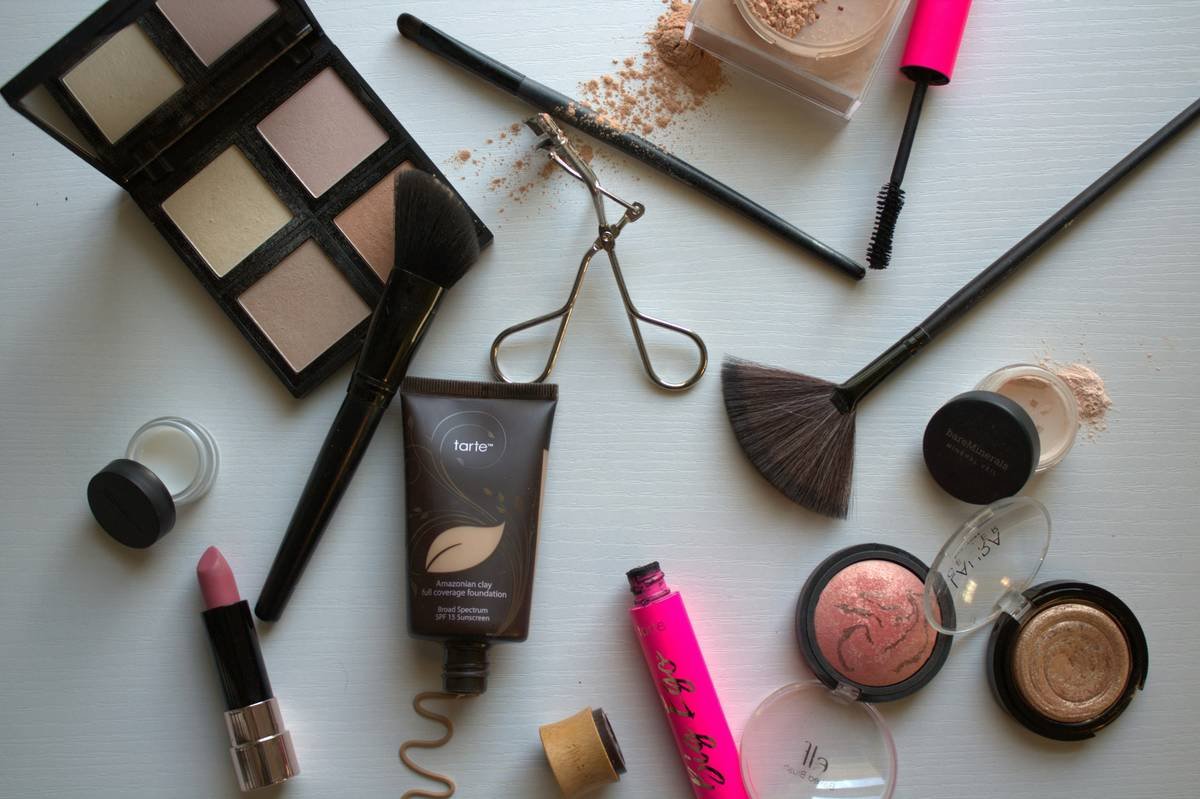
Ditch the sponge-dumping habit. Use a dense brush (Sigma F80) to stipple thin layers of a true persistent matte foundation—think Estée Lauder Double Wear or MAC Studio Fix Fluid. Let each layer air-dry for 30 seconds before adding more. This builds coverage without disrupting the polymer network.
Pro Tips for Flawless Longevity (Without Looking Like You’re Wearing Spackle)
Over-powdering kills the natural skin texture and cracks when you smile. Only set where you shine—forehead, nose, chin.
- Blot, Don’t Re-Powder: After 3 hours, press blotting papers instead of adding more powder. Excess powder + oil = caked-on texture.
- Avoid Alcohol-Based Setting Sprays: They dry surface skin but don’t enhance longevity. Opt for ones with film-forming polymers like Urban Decay All Nighter (which contains VP/acrylates/lauryl methacrylate copolymer).
- Matte Doesn’t Mean Flat: Add dimension with a satin blush (NARS Orgasm) on cheeks—it won’t migrate and keeps the look alive.
- Check the INCI List: Skip products listing “dimethicone” as the first ingredient—they sit on top of skin and peel when wet. Prioritize “acrylates copolymer” or “PVP” early in the ingredients.
Real-World Case Study: From Meltdown to Matte Marvel
Last July, my client Lena—a wedding photographer in Miami—needed makeup that survived 12-hour outdoor shoots in 95°F heat. Her old routine (drugstore “waterproof” BB cream + heavy powder) left her looking greasy by noon.
We switched to a persistent matte system:
– Cleanser: Paula’s Choice 2% BHA
– Moisturizer: Neutrogena Hydro Boost Water Gel (oil-free)
– Primer: NYX Professional Makeup Shine Killer
– Foundation: Revlon ColorStay 24HR (yes, drugstore can compete!)
– Setting Powder: Laura Mercier Translucent Loose
Result? Zero touch-ups needed. Her foundation stayed intact even after she cried during a first dance. She sent me a photo at 9 PM: matte, even-toned, no oxidation. Total game-changer.
Persistent Matte FAQs
Is persistent matte makeup good for dry skin?
Only if properly prepped. Dry skin needs hydration *before* matte products. Use hyaluronic acid serum + light moisturizer, then apply foundation with a damp sponge for sheer coverage.
How is “persistent matte” different from “long-wear”?
“Long-wear” often refers to color staying put but may still get shiny. “Persistent matte” specifically maintains a non-reflective finish under stress—sweat, humidity, tears—thanks to advanced polymer technology.
Can I use persistent matte products daily?
Yes—if they’re non-comedogenic and removed properly. Always double-cleanse with an oil-based cleanser (DHC Deep Cleansing Oil) followed by a gentle foaming wash to prevent pore congestion.
Do setting sprays really help persistent matte last longer?
Only if they contain film-formers. A 2022 study in the Journal of Cosmetic Science found sprays with acrylate polymers increased wear time by up to 6 hours compared to alcohol-only formulas.
Conclusion
Persistent matte isn’t magic—it’s material science meets smart technique. By understanding how film-forming polymers work, avoiding over-application, and layering strategically, you can achieve a sweat-proof, tear-resistant, humidity-defying matte finish that looks like skin, not paint. Ditch the false promises of generic “waterproof” labels and build a routine that actually endures real life—one confident, shine-free day at a time.
Like a flip phone in 2004, persistent matte stays cool under pressure—and never lets you down.