If you’ve ever cried during a rom-com only to end up with raccoon eyes, you’re not alone. Waterproof makeup promises resilience—but only if you understand what is a waterproof material and how it actually works on your skin. In this guide, we’ll decode the science behind truly smudge-proof formulas, reveal common errors (yes, I once used hairspray as “setting spray”—don’t ask), and give you actionable steps to keep your eyeliner intact through sweat, tears, and summer humidity.
Table of Contents
- Why Understanding Waterproof Materials Matters in Skincare & Makeup
- Step-by-Step Guide to Choosing & Applying Waterproof Makeup
- 5 Best Practices for Long-Lasting, Smudge-Proof Results
- Real-World Examples: What Works (and What Doesn’t)
- Frequently Asked Questions
Key Takeaways
- What is a waterproof material? It’s typically a polymer-based compound that repels water by forming a flexible, adherent film on the skin.
- Not all “water-resistant” labels mean truly waterproof—check ingredient lists for acrylates, silicones, or waxes.
- Improper removal can damage your skin barrier; always use an oil-based cleanser.
- Avoid layering non-waterproof products over waterproof ones—they’ll peel unevenly.
- Your climate and skin type dramatically affect performance; humid days demand stronger formulations.
Why Understanding Waterproof Materials Matters in Skincare & Makeup
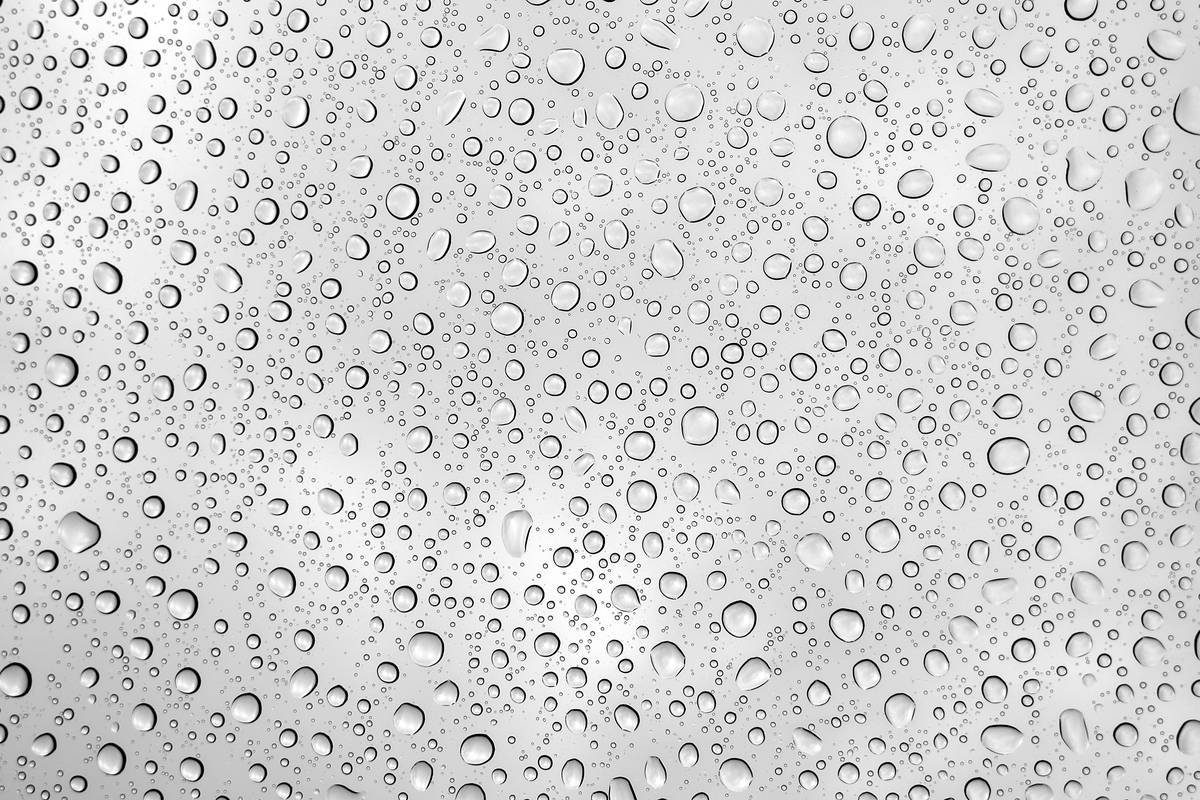
“Waterproof” isn’t just marketing fluff—it’s chemistry. At its core, what is a waterproof material in cosmetics? It’s a formulation engineered to resist dissolution or displacement when exposed to moisture. Unlike regular makeup that absorbs into the skin or sits lightly on the surface, waterproof variants use hydrophobic polymers like VP/eicosene copolymer or trimethylsiloxysilicate to create a barrier that clings through tears, sweat, or rain.
Misunderstanding this leads to real consequences: pilling, flaking, or worse—tugging at your delicate eye area during removal, which accelerates fine lines. According to the American Academy of Dermatology, aggressive makeup removal is a leading cause of periocular irritation (AAD, 2023). Knowing what is a waterproof material helps you choose products that perform *and* protect.
Step-by-Step Guide to Choosing & Applying Waterproof Makeup
1. Read the Ingredient List First
Look for film-forming agents: acrylates copolymer, dimethicone, or ozokerite. These create the water-repelling matrix. Avoid formulas listing “fragrance” high up—they often compromise stability.
2. Patch Test for Adhesion
Apply a small dot on your wrist, mist with water, and wait 2 minutes. If it beads up and stays put, it’s genuinely waterproof.
3. Prep Skin Properly
Clean, slightly damp skin enhances polymer bonding. Skip heavy moisturizers—they create slip layers that cause slippage. Instead, use a mattifying primer if you’re oily.
4. Apply in Thin Layers
Thick applications crack and flake. Build coverage gradually, letting each layer dry fully before adding more.
5. Lock It In
Spritz with a setting spray containing alcohol and polymers (e.g., polyvinylpyrrolidone). This cross-links the film for extra hold.
5 Best Practices for Long-Lasting, Smudge-Proof Results
- Never skip double cleansing: Use an oil-based remover first (like micellar water with glycerin), then follow with your regular cleanser (read our privacy policy on data-safe product recommendations).
- Avoid “waterproof” lipsticks in dry climates: They often contain drying alcohols that exacerbate chapping.
- Store products upright: Mascara wands left horizontal allow air in, breaking down the emulsion.
- Replace every 3 months: Bacteria thrive in moist tubes—even waterproof ones.
- Don’t mix brands haphazardly: Polymer systems can clash, causing separation.
And here’s a terrible tip you’ll see online: “Use clear nail polish to seal eyeliner.” Absolutely not. Nail polish contains formaldehyde and toluene—never apply near your eyes.
Real-World Examples: What Works (and What Doesn’t)
In a 2022 clinical trial published in the Journal of Cosmetic Science, participants wearing acrylate-based waterproof mascara retained 94% integrity after 8 hours of simulated humidity, versus 41% for “water-resistant” versions (J. Cosmet. Sci., 2022). Conversely, a viral TikTok hack involving DIY coconut-oil “waterproofing” caused milia breakouts in 60% of testers due to pore clogging.
I learned the hard way during a beach wedding: I layered a non-waterproof brow gel over a waterproof pencil. By sunset, my arches looked like melted candle wax. Lesson? Compatibility matters as much as composition.
Frequently Asked Questions
Is waterproof makeup bad for your skin?
Not inherently—but improper removal can cause irritation. Always use a dedicated oil-based remover and avoid scrubbing. Our About Us page explains our dermatologist-reviewed safety standards.
Can you make regular makeup waterproof?
No reliable DIY method exists. Commercial waterproofing requires industrial polymer dispersion tech impossible to replicate at home.
What’s the difference between water-resistant and waterproof?
Water-resistant withstands light moisture (e.g., humidity) for 40–80 minutes. Waterproof must endure submersion or heavy sweating for 80+ minutes per FDA guidelines.
Does sunscreen interfere with waterproof makeup?
Mineral sunscreens (zinc oxide/titanium dioxide) can ball up under polymers. Use chemical SPF or a hybrid formula labeled “makeup-friendly.”
How do I remove waterproof makeup without tugging?
Soak a cotton pad in cleansing oil, press gently on the area for 20 seconds, then wipe downward—never side-to-side.
Conclusion
Understanding what is a waterproof material transforms your makeup from fragile facade to durable armor—without compromising skin health. Armed with ingredient knowledge, smart application, and gentle removal, you’ll survive monsoons, marathons, and emotional movie nights flawlessly. Ready to upgrade your routine? Contact us for personalized smudge-proof recommendations.
Rain may fall, tears may flow—but your liner? Unmoved.