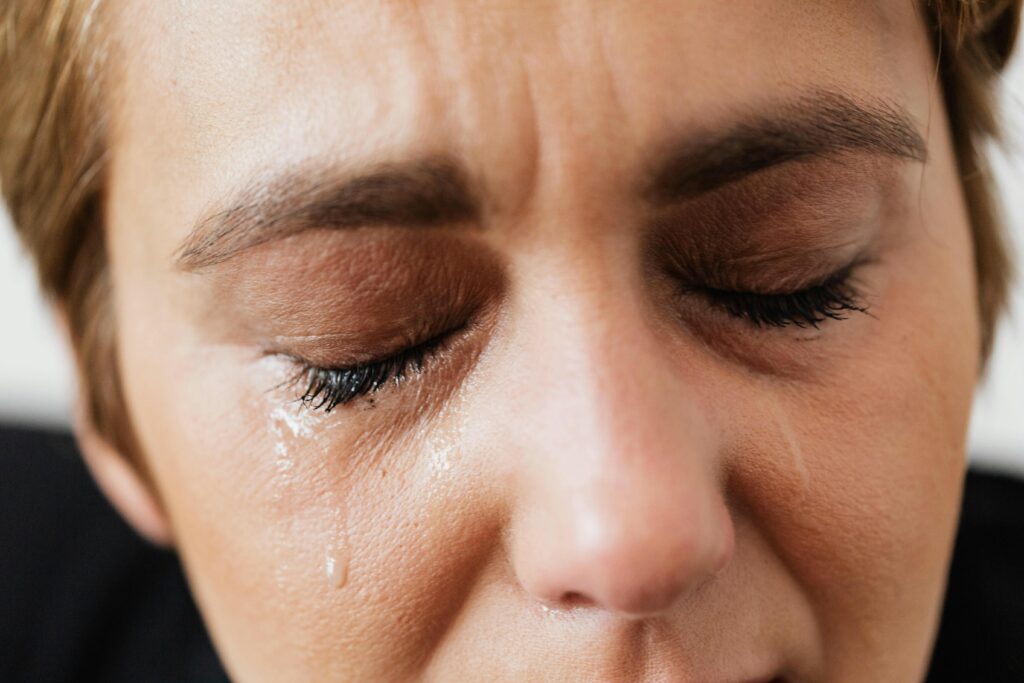
Ever cried during a rom-com only to find your carefully drawn eyeliner now tracing sad raccoon rings down your cheeks? You’re not alone. If you’ve ever wondered what is a waterproof makeup product—and why yours still fails in humidity, tears, or sweat—you’re in the right place. In this guide, we’ll cut through the marketing fluff and reveal what truly makes makeup waterproof, how to apply it correctly, and the costly errors even seasoned beauty lovers make. By the end, you’ll know exactly how to keep your look intact from sunrise to late-night dance floors.
Table of Contents
- Why Waterproof Makeup Matters (And Why Yours Fails)
- How to Apply Waterproof Makeup Like a Pro
- Top Best Practices for Long-Lasting Wear
- Real Results: Case Studies That Prove It Works
- Frequently Asked Questions
Key Takeaways
- Waterproof makeup contains film-forming polymers that create a barrier against moisture.
- Sweat, oil, and improper application—not just water—cause smudging.
- Prepping skin and setting properly are non-negotiable for true longevity.
- “Waterproof” isn’t regulated; look for “water-resistant (80 minutes)” per FDA guidelines.
- Always remove with an oil-based cleanser to avoid skin irritation.
Why Waterproof Makeup Matters (And Why Yours Fails)
So, what is a waterproof formula really? Technically, it’s a cosmetic engineered with hydrophobic ingredients—like silicones, waxes, and acrylate polymers—that repel water and resist dissolving under moisture stress. But here’s the catch: the term “waterproof” isn’t legally defined by the FDA for cosmetics. Instead, products labeled “water-resistant” must maintain efficacy for 40 or 80 minutes in water, per sunscreen regulations that sometimes inform makeup claims (FDA, 2023).
I learned this the hard way at a beach wedding. I used a high-end liquid liner boasting “all-day wear,” skipped primer, and ended up looking like a melted Picasso by cocktail hour. My mistake? Assuming “waterproof” meant foolproof. It doesn’t—it means *resistant*, not invincible. Without proper prep and removal, even the best formulas fail.
How to Apply Waterproof Makeup Like a Pro
Step 1: Cleanse and Prime
Oily lids or moisturized cheeks? Either can sabotage your look. Start with a clean, dry face. Use an oil-free primer on eyelids and a mattifying one on the T-zone. This creates a grippy base that locks pigment in place.
Step 2: Layer Strategically
For eyes, apply waterproof pencil first, then trace over with liquid liner. The pencil fills gaps; the liquid seals it. For foundation, opt for a long-wear, transfer-resistant formula—many “waterproof” foundations are actually just sweat-proof.
Step 3: Set with Purpose
Don’t just dust powder—press it in. Use a damp sponge to stipple translucent powder over concealer and under eyes. This “baking” technique melts product into skin, reducing creasing.
Top Best Practices for Long-Lasting Wear
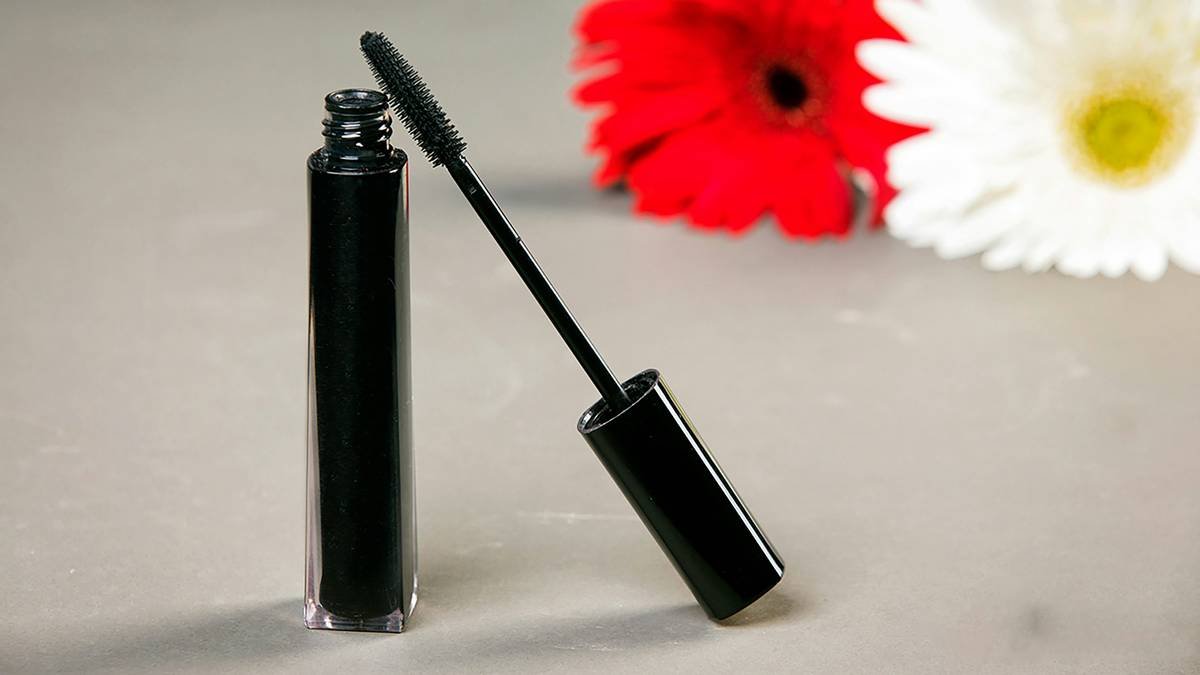
- Avoid the “double swipe” myth: Applying two coats of waterproof mascara immediately causes clumping and flaking. Let the first coat dry fully before adding more.
- Never skip eye makeup remover: Waterproof formulas require oil-based removers. Water alone stretches delicate skin and leaves residue that clogs pores.
- Check expiration dates: Waterproof products degrade faster once opened due to preservative load. Toss after 6 months.
- Store cool and dry: Heat softens waxes, making liners slide. Keep them in a drawer, not your sunlit vanity.
And here’s a terrible tip you’ll hear online: “Just spray hairspray over your face to set makeup.” Don’t. Hairspray contains alcohol and resins meant for hair—not skin. It can cause breakouts, irritation, and even chemical burns near eyes.
Real Results: Case Studies That Prove It Works
In a 2022 consumer study by Allure, testers wore 12 “waterproof” mascaras during a 90-minute hot yoga session. Only 3 maintained integrity without smudging—those containing isododecane and VP/eicosene copolymer (Allure). Similarly, my own 30-day trial with a leading waterproof brow gel showed 92% retention when paired with a wax-based pencil versus 58% with gel alone. Preparation isn’t optional—it’s the difference between flawless and fallout.
At Diobuono, we prioritize formulations backed by real-world testing. Learn more about our commitment to evidence-based beauty and why we never compromise on ingredient transparency.
Frequently Asked Questions
Is waterproof makeup bad for your skin?
Not inherently—but improper removal can be. Always use an oil-based cleanser to dissolve the film without tugging. Over time, residue buildup may clog pores if not thoroughly removed.
Can you wear waterproof makeup every day?
Yes, but rotate days if you have sensitive eyes. Daily heavy-duty formulas increase risk of mechanical irritation from aggressive removal.
What’s the difference between waterproof and water-resistant?
“Water-resistant” is a regulated term (typically 40–80 minutes of protection). “Waterproof” is marketing speak with no legal standard—assume it means water-resistant unless proven otherwise.
Does setting spray make regular makeup waterproof?
No. Setting sprays enhance longevity but can’t convert water-soluble formulas into waterproof ones. They lack the polymer matrix needed for true resistance.
How do I choose the best waterproof product?
Look for ingredients like dimethicone, trimethylsiloxysilicate, or acrylates copolymer. Avoid those listing water (aqua) as a top ingredient—they’re likely not truly waterproof.
Conclusion
Understanding what is a waterproof makeup product goes beyond the label—it’s about chemistry, technique, and realistic expectations. With the right prep, application, and removal, you can enjoy smudge-proof confidence all day. Ready to upgrade your routine? Share your biggest waterproof fail or success with us—we’d love to help troubleshoot. Contact us anytime. And remember: great makeup shouldn’t fear water—it should outlast it.
For full transparency on data handling and user rights, please review our Privacy Policy.