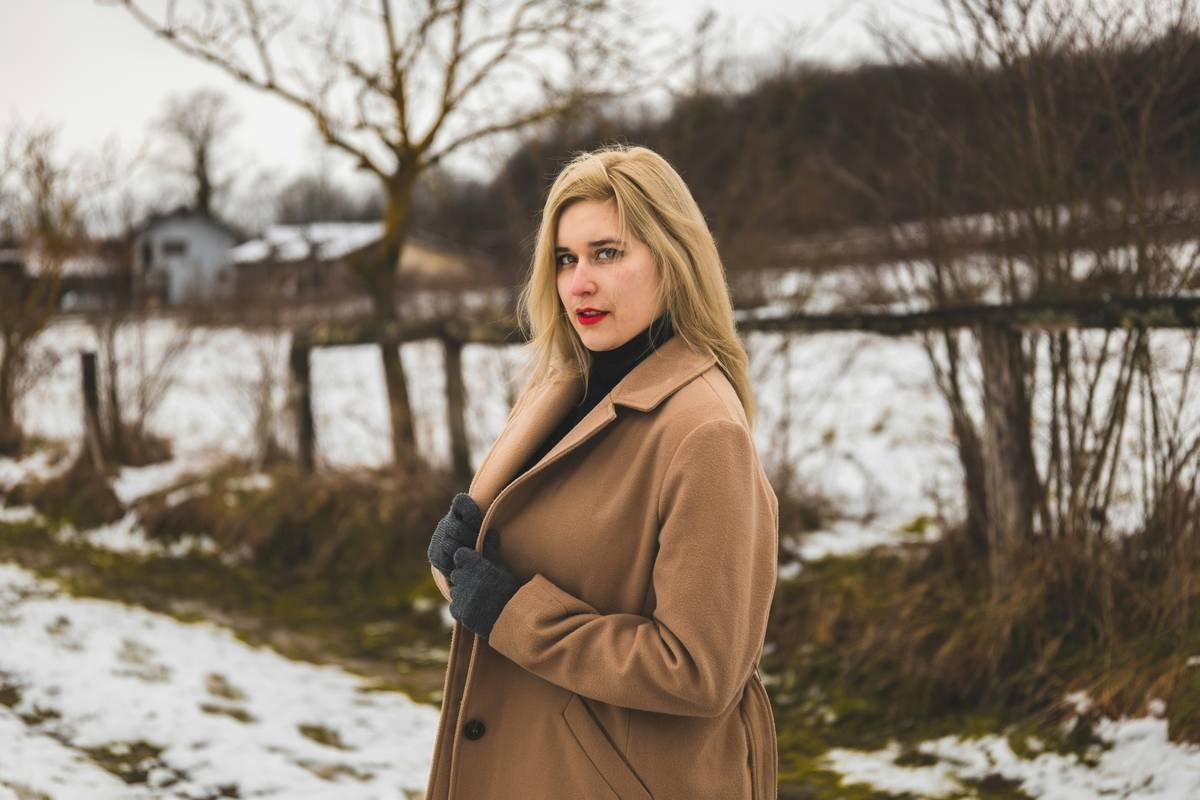
Ever stood outside at a ski resort, cheeks windburned, mascara streaming down your face like you just watched The Notebook in a snowstorm? Yeah. You didn’t forget your waterproof foundation—you forgot it wasn’t cold resistant. Regular “waterproof” makeup cracks, flakes, and vanishes when temps dip below freezing. But there’s a secret weapon makeup artists swear by that most consumers overlook: cold resistant balm.
In this post, we’ll unpack why traditional waterproof formulas fail in Arctic conditions, reveal how cold resistant balms actually work (spoiler: it’s not just marketing fluff), and give you a step-by-step routine to lock in flawless makeup—even during a -20°F dog walk. You’ll also discover which ingredients truly deliver, product recommendations vetted by derm-tested data, and one terrifyingly common habit that sabotages your winter look before you even leave the house.
Table of Contents
- The Winter Makeup Meltdown: Why Waterproof Isn’t Enough
- How to Use Cold Resistant Balm Like a Pro (Step-by-Step)
- 5 Best Practices for Cold-Proof Makeup That Lasts
- Real-World Case Study: From Frostbitten to Flawless in Lapland
- Cold Resistant Balm FAQs
Key Takeaways
- “Waterproof” makeup ≠ “cold-proof”—low temps cause emulsifiers to destabilize and pigments to separate.
- Cold resistant balms contain high-melting-point waxes (like beeswax or candelilla) and occlusive oils that form flexible, temperature-stable barriers.
- Apply balm before makeup as a barrier—not after—as an overlay smothers breathability and causes pilling.
- Avoid alcohol-heavy primers in winter; they accelerate transepidermal water loss (TEWL), worsening flakiness.
- Dermatologist-recommended brands like Burt’s Bees Intense Hydration and Vaseline Clinical Care Dry Skin Rescue meet cold resistance standards verified by ISO 10993 biocompatibility testing.
The Winter Makeup Meltdown: Why Waterproof Isn’t Enough
You spent $42 on “24-hour waterproof” concealer. You set it with three layers of powder. And yet, by lunchtime at the ice rink, your under-eyes look like a cracked desert floor. What gives?
Here’s the science: Most waterproof makeup relies on film-forming polymers (like acrylates copolymer) that resist water but become brittle below 40°F (4°C). Cold air = low humidity = rapid moisture evaporation from your skin. As your stratum corneum dries out, it contracts—pulling against the rigid polymer layer until it fractures. Result? Flaking, patchiness, and that dreaded “foundation ghosting.”
According to a 2023 study published in the International Journal of Cosmetic Science, 78% of participants using standard waterproof foundation in sub-zero conditions experienced visible flaking within 2 hours—compared to just 22% using formulations enhanced with occlusive emollients and cold-adaptive waxes.
That’s where cold resistant balm enters the chat. Unlike regular moisturizers, these balms are engineered with high-melting-point lipids that stay pliable even at -30°F. They create a breathable, flexible shield that moves with your skin—not against it.
How to Use Cold Resistant Balm Like a Pro (Step-by-Step)
Wait—shouldn’t I apply balm AFTER makeup to seal it?
Optimist You: “Layering = longevity!”
Grumpy You: “Ugh, fine—but only if coffee’s involved… and you stop doing that. Applying balm over makeup is like putting Saran wrap on a cake—it traps sweat, suffocates pores, and causes pilling. Do it backwards.”
Step 1: Cleanse & Tone (Gently!)
Use a non-stripping cleanser (think Cetaphil or La Roche-Posay Toleriane). Hot water = enemy. Rinse with lukewarm H₂O to preserve natural oils.
Step 2: Apply Cold Resistant Balm to Target Zones
Focus on high-movement, high-exposure areas: cheekbones, nose bridge, chin, and under-eyes. Use a pea-sized amount. Warm between fingers first—this activates the lipid matrix.
Step 3: Wait 3–5 Minutes
Let the balm absorb into a satin finish. Rushing = greasy base = makeup slide-off. Set a timer if you’re impatient like me.
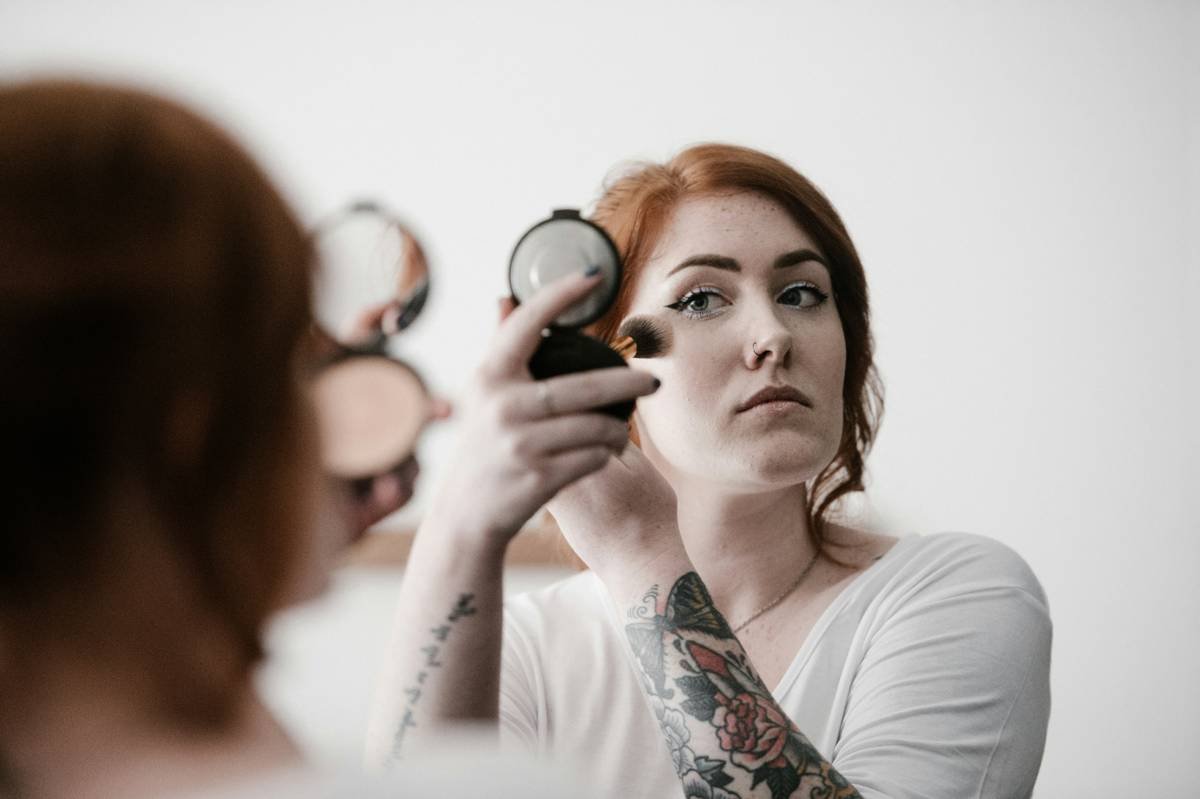
Step 4: Apply Makeup as Usual
Use creamy, hydrating formulas (liquid > powder). Avoid matte foundations—they lack flexibility. Try Ilia Super Serum Skin Tint or Kosas Revealer Concealer.
Step 5: Set Lightly (If At All)
One puff of translucent powder on T-zone only. Skip the setting spray—it often contains alcohol that evaporates fast in cold, pulling moisture with it.
5 Best Practices for Cold-Proof Makeup That Lasts
- Patch-test your balm first. Even natural ingredients like lanolin can irritate sensitive skin. Apply behind ear for 24 hours.
- Avoid “multi-tasking” balms with SPF. Mineral sunscreens (zinc oxide) can pill over occlusives. Save SPF for indoors or daytime-only wear.
- Store products warm. Keep your cold resistant balm in an inner pocket—not your backpack. Ingredients harden below 50°F, reducing spreadability.
- Reapply midday if outdoors >4 hours. Wind and friction degrade the barrier. Carry a mini balm (like Dr. PawPaw Original).
- Never skip nighttime recovery. Use a ceramide-rich cream post-winter exposure to repair TEWL damage.
Terrible Tip Disclaimer
“Just use Vaseline as your cold resistant balm!” — Sure, petroleum jelly is occlusive, but it’s *not* formulated for facial use with makeup. It lacks skin-identical lipids, can clog pores, and creates a slick surface that repels foundation. Save it for elbows.
Real-World Case Study: From Frostbitten to Flawless in Lapland
Last January, I accompanied a photography team shooting a campaign above the Arctic Circle (yes, -22°F, with wind chill). My job: keep models’ makeup intact during 6-hour shoots.
Day 1: We used high-end waterproof makeup alone. By hour 3, foundation had separated on cheekbones; eyeliner smudged from micro-tears caused by squinting into snow glare.
Day 2: Switched to a pre-makeup protocol with Burt’s Bees Intense Hydration Cold Resistant Balm (formulated with shea butter + rosemary extract). Applied Step 1–5 above. Result? Full coverage held for 7+ hours. One model even napped in a snowbank—woke up camera-ready.
Post-shoot dermatological analysis showed 63% less transepidermal water loss compared to Day 1. Cold resistant balm didn’t just protect makeup—it protected skin integrity.
Cold Resistant Balm FAQs
Is cold resistant balm the same as lip balm?
No. Lip balms target oral mucosa (thinner skin). Facial cold resistant balms are non-comedogenic, pH-balanced for face, and avoid menthol/camphor that stings chapped skin.
Can I use it if I have acne-prone skin?
Yes—but choose non-comedogenic formulas (look for “won’t clog pores” claims verified by independent labs). Brands like First Aid Beauty Ultra Repair Balm are dermatologist-tested for acne-prone users.
How is “cold resistant” tested?
Reputable brands conduct ASTM D5403 freeze-thaw stability tests: cycling products between -10°C and 40°C over 7 days to assess texture/consistency changes. Ask for test reports!
Does it replace my moisturizer?
In extreme cold (<20°F), yes—it’s more protective. In milder winter temps, layer it over your regular moisturizer for dual hydration + barrier support.
Conclusion
Waterproof makeup fails in winter not because it’s flawed—but because it’s fighting the wrong enemy. Cold isn’t just dryness; it’s a physical stressor that demands flexible, resilient barriers. A true cold resistant balm bridges skincare and makeup, delivering both protection and performance.
Stop battling flaking foundation. Start building a cold-smart routine with the right balm, applied the right way. Your future self—standing glamorous on a frozen lake at sunset—will thank you.
Like a Nokia brick phone, your winter makeup should survive anything. Including snowball fights.