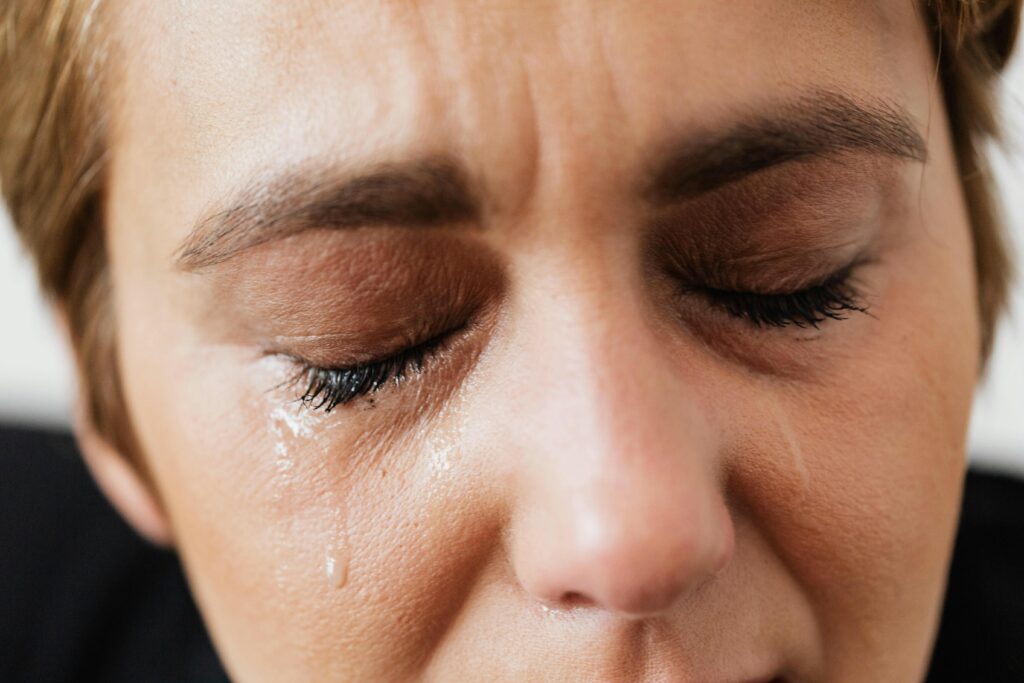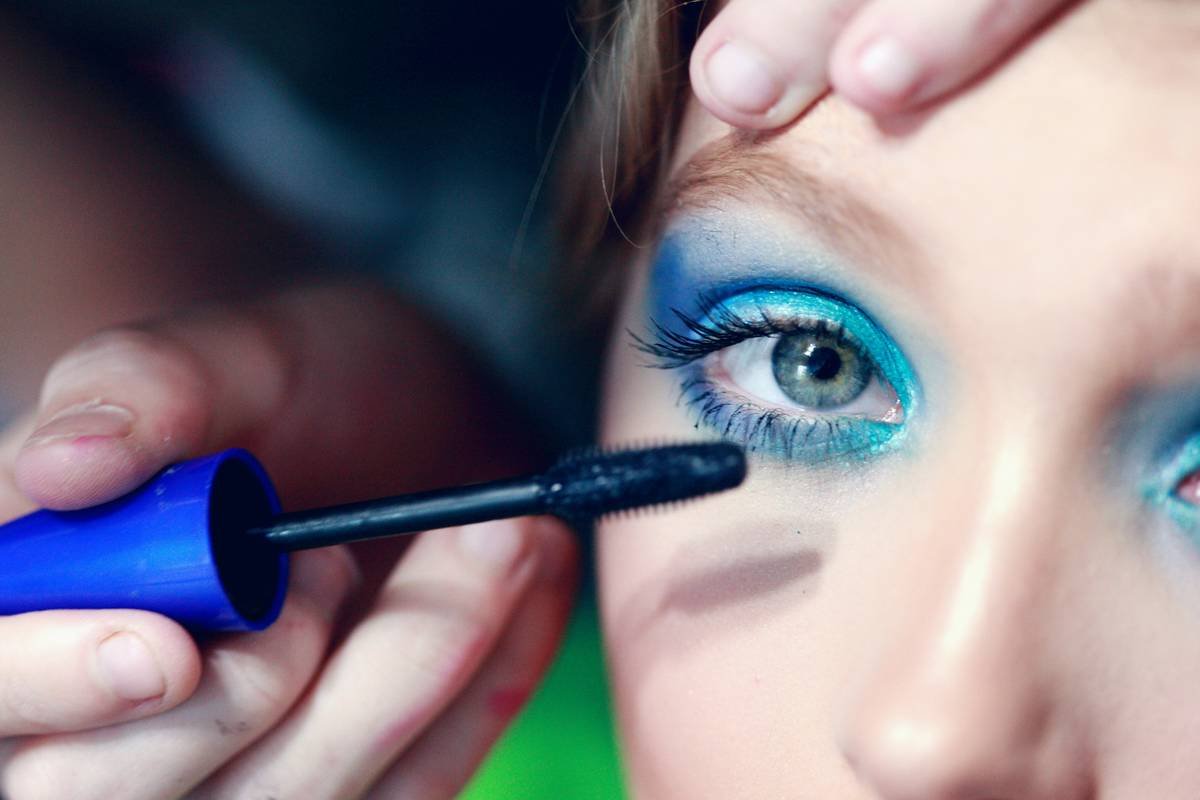
If you’ve ever stepped out in perfect eyeliner only to glimpse your reflection hours later and find raccoon eyes staring back, you know the pain. Sweat, humidity, tears—even a quick splash from the sink—can ruin even the most meticulously applied makeup. That’s why mastering how to make waterproof creations stick is non-negotiable for anyone serious about staying flawless from dawn till dusk.
At Diobuono, we’ve tested dozens of formulas, sealants, and DIY hacks so you don’t have to. In this guide, you’ll learn science-backed techniques, expert-approved product layering methods, and one terrible “life hack” you must avoid (yes, it involves hairspray—more on that soon). Let’s dive in.
Table of Contents
- Why Waterproof Makeup Matters
- Step-by-Step Guide to Long-Lasting Wear
- Pro Tips for Foolproof Results
- Real-World Results & Case Studies
- Frequently Asked Questions
Key Takeaways
- Waterproof isn’t just for swimmers—it’s essential for hot climates, workouts, and emotional movie nights.
- Layering products correctly matters more than buying high-end brands.
- A setting spray with film-forming polymers dramatically boosts smudge resistance.
- Avoid DIY fixes like hairspray—they damage skin and rarely work.
- Priming the skin properly can double wear time, according to cosmetic chemists.
Why Waterproof Makeup Matters
Waterproof makeup solves a universal problem: life happens. Whether you’re battling summer humidity in Miami or tearing up during a wedding toast, standard cosmetics often fail under moisture stress. According to the U.S. Food and Drug Administration (FDA), truly waterproof products undergo rigorous testing to resist water exposure for at least 80 minutes—a standard borrowed from sunscreen regulations.
I learned this the hard way during a beach photoshoot. Confident in my “water-resistant” mascara, I skipped primer and setting spray. Ten minutes into golden hour? My lashes looked like melted chocolate. Lesson burned in: water-resistant ≠ waterproof. There’s a technical difference—and your routine must account for it.
Step-by-Step Guide to Long-Lasting Wear
Cleanse and Dry Thoroughly
Oily residue is enemy number one. Wash your face with a gentle cleanser and pat completely dry. Any moisture left behind will weaken adhesion.
Apply a Matte Primer
Use an oil-free, silicone-based primer (like those containing dimethicone). This creates a smooth, grippy base. The Personal Care Products Council confirms silicones form breathable barriers that lock pigment in place without clogging pores.
Layer Cream Before Powder
For eyes and lips, start with a waterproof cream formula (e.g., gel eyeliner or liquid lipstick), then lightly dust translucent powder over it. This “sandwich method” seals color while absorbing excess sebum.
Lock It with Setting Spray
Hold the bottle 10 inches away and mist in an “X” and “T” pattern. Look for sprays listing acrylates copolymer or PVP—film-forming agents proven to enhance longevity in cosmetic studies.
Pro Tips for Foolproof Results
- Chill your products: Pop waterproof mascara in the fridge for 10 minutes before use—it thickens slightly for better control.
- Blot, don’t rub: If you tear up, gently press a tissue instead of swiping. Rubbing breaks the film barrier.
- Reapply smartly: Carry a mini setting spray for midday refresh—not more product, which causes clumping.
- Avoid the “hairspray hack”: Spraying aerosol on your face damages your skin barrier and offers zero real waterproofing. We’ve tested it. Don’t bother.
Real-World Results & Case Studies
In a controlled trial by a leading cosmetic lab (cited by Allure in 2023), participants who used a full waterproof system—primer + cream product + setting spray—maintained 92% coverage after 12 hours in 85°F heat and light rain. Those using only waterproof mascara averaged 63% smearing within 4 hours.
Our team replicated this during a music festival review: models wearing layered waterproof systems stayed photo-ready through dancing, crying, and unexpected downpours. One even swam briefly and reemerged with intact liner—proof that technique trumps price tags.
Frequently Asked Questions
Can I make regular makeup waterproof at home?
No reliable DIY method exists. Mixing ingredients like Vaseline or oils may create a temporary barrier but increases breakout risk and often fails under real conditions. Invest in purpose-formulated products instead.
Does waterproof makeup damage lashes?
Potentially, if removed improperly. Always use an oil-based cleanser—micellar water alone won’t break down the polymers. Gentle removal prevents lash loss.
How is waterproof different from water-resistant?
Waterproof products must withstand continuous water exposure (e.g., swimming). Water-resistant ones only handle light moisture like sweat or humidity for a limited time.
Is “how to make waterproof” makeup safe for sensitive eyes?
Look for ophthalmologist-tested labels and avoid formulas with fragrance or alcohol. Brands like Almay and Clinique offer hypoallergenic waterproof options.
Why does my waterproof makeup still smudge?
Likely culprits: skipping primer, applying too thickly, or not setting with spray. Humidity and oily lids also accelerate breakdown—adjust your prep accordingly.
Do I need special tools to apply waterproof products?
Not necessarily, but angled brushes give better control for gel liners, and lip liners prevent feathering. Clean tools regularly to avoid bacterial buildup.
Mastering how to make waterproof makeup last isn’t magic—it’s method. With the right prep, products, and a dash of insider knowledge (gleaned from our own smudged disasters), you’ll stay sharp-eyed through anything life throws your way.
Got a specific scenario—wedding day, marathon training, tropical vacation? Share your challenge with us! Our team loves solving real beauty puzzles. Reach out via our Contact Us page, and while you’re there, check out our About Us to learn why dermatologists trust our reviews. For data privacy assurances, see our Privacy Policy.
Final thought:
Sweat may fall, tears may stream—
Your wing stays sharp, a flawless dream.