You’ve blended it perfectly. Lit it just right. Walked out feeling bulletproof—only to catch your reflection three hours later, streaked like a rain-smeared windshield. Heat, humidity, or even emotional moments wreck most foundations. And if your base fails, everything else collapses. But what if your foundation refused to budge—no matter what?
Why Most Foundations Fail the Smudge Test
Standard liquid or powder formulas cling to dry skin—but melt the second oil production kicks in. They’re built for controlled studio lighting, not real life. Humidity swells pores. Sebum breaks surface tension. Makeup migrates into fine lines, creases under eyes, or disappears entirely by lunchtime.
And layering more product? That just speeds up the cake-and-crack cycle. Here’s the reality: longevity isn’t about coverage—it’s about adhesion chemistry.
How to Achieve Truly Smudge Free Foundation
Forget “setting and forgetting.” Real smudge resistance starts before you touch the bottle.
Prep Like a Pro—Not a Passenger
Cleanse, then apply a mattifying primer with silica microspheres. These tiny particles create microscopic anchors for pigment. Skip heavy moisturizers—they dilute your foundation’s bond. If your skin’s dry, use a water-based serum, not an oil-rich cream.
Choose the Right Formula (Not Just the Shade)
Opt for water-resistant, transfer-proof liquids with acrylate copolymers. These form flexible, breathable films that move with your face—not off it. Avoid anything labeled “dewy” or “illuminating.” Those rely on light-reflecting oils that slide away under stress.
Application Technique Matters More Than You Think
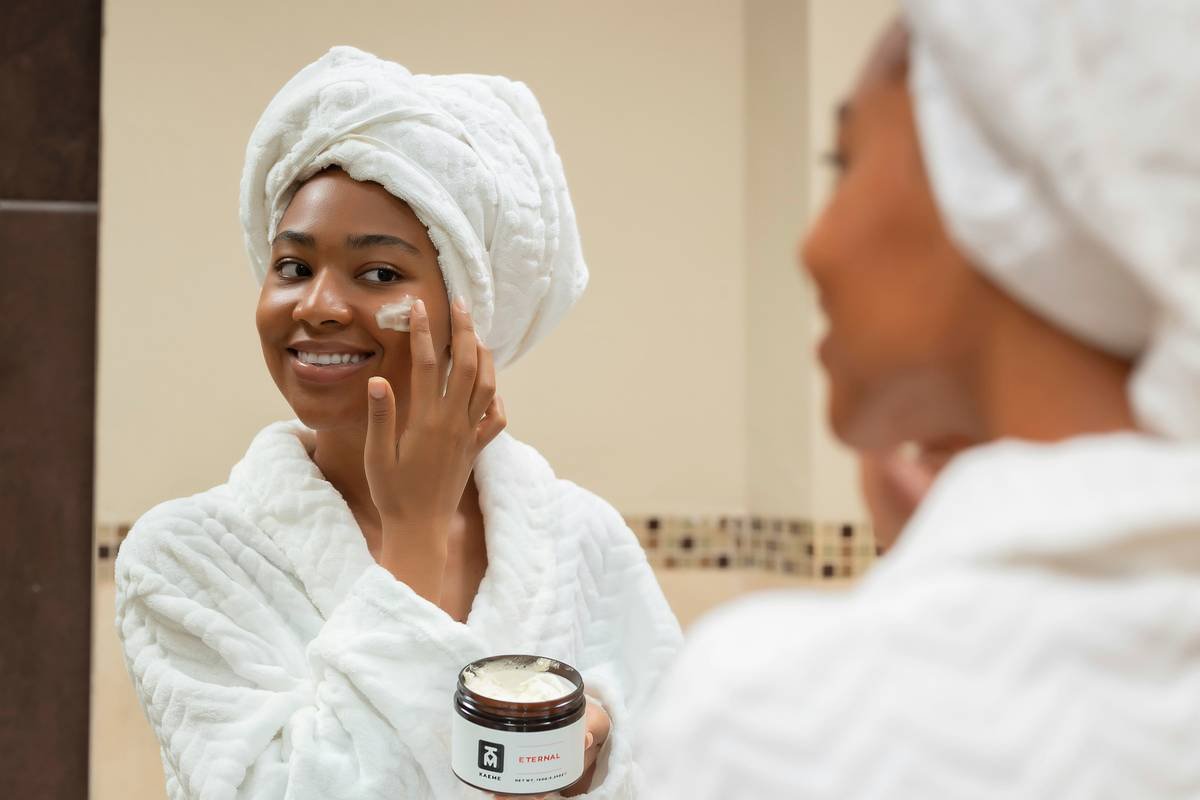
Use a damp sponge in patting motions—not dragging. Dragging stretches the formula thin, breaking its continuity. Build coverage in sheer layers. Thick initial coats trap moisture underneath, causing midday meltdown.
Lock It In Without Suffocating It
Spray a setting mist with polymers *before* powder—not after. This creates a sandwich: foundation sealed between two breathable barriers. Then, lightly dust translucent powder only in high-oil zones (T-zone, under eyes). Over-powdering flakes; under-powdering slides.
| Method | Smudge Resistance (1-10) | Wear Time | Skin Breathability |
|---|---|---|---|
| Traditional powder over liquid | 4 | 4–6 hours | Medium |
| Polymer-based primer + waterproof liquid + setting spray | 9 | 10–14 hours | High |
| Heavy full-coverage + baking | 5 | 6–8 hours (then cracks) | Low |
The Industry Secret No Brand Admits
Most “long-wear” foundations test under ideal conditions: 72°F, 40% humidity, no movement. Real-world? You’re commuting, crying at a wedding, dancing at midnight. The secret? Layer with a clear makeup sealant—a cosmetic-grade polymer spray used by drag performers and stage actors. A single mist post-powder forms an invisible shield against tears, sweat, and even light rain. It’s not in the beauty aisle. You’ll find it near theater supply stores—or niche pro brands online. Use it once, and you’ll never go back.
Frequently Asked Questions
Does smudge free foundation clog pores?
Not if it’s non-comedogenic and silicone-based. Look for “oil-free” and “acne-safe” labels. Heavy waxes and coconut derivatives are the real pore-cloggers—not modern film-formers.
Can I wear smudge free foundation daily?
Yes—provided you double-cleanse at night. Use an oil-based remover first, then a gentle foaming wash. Skipping this step leads to buildup, not breakouts from the foundation itself.
Why does my smudge free foundation still fade around the nose?
That area produces 2x more sebum. Blot first, apply primer, then foundation. Set with a gel-based powder—loose powders slip faster in ultra-oily zones.